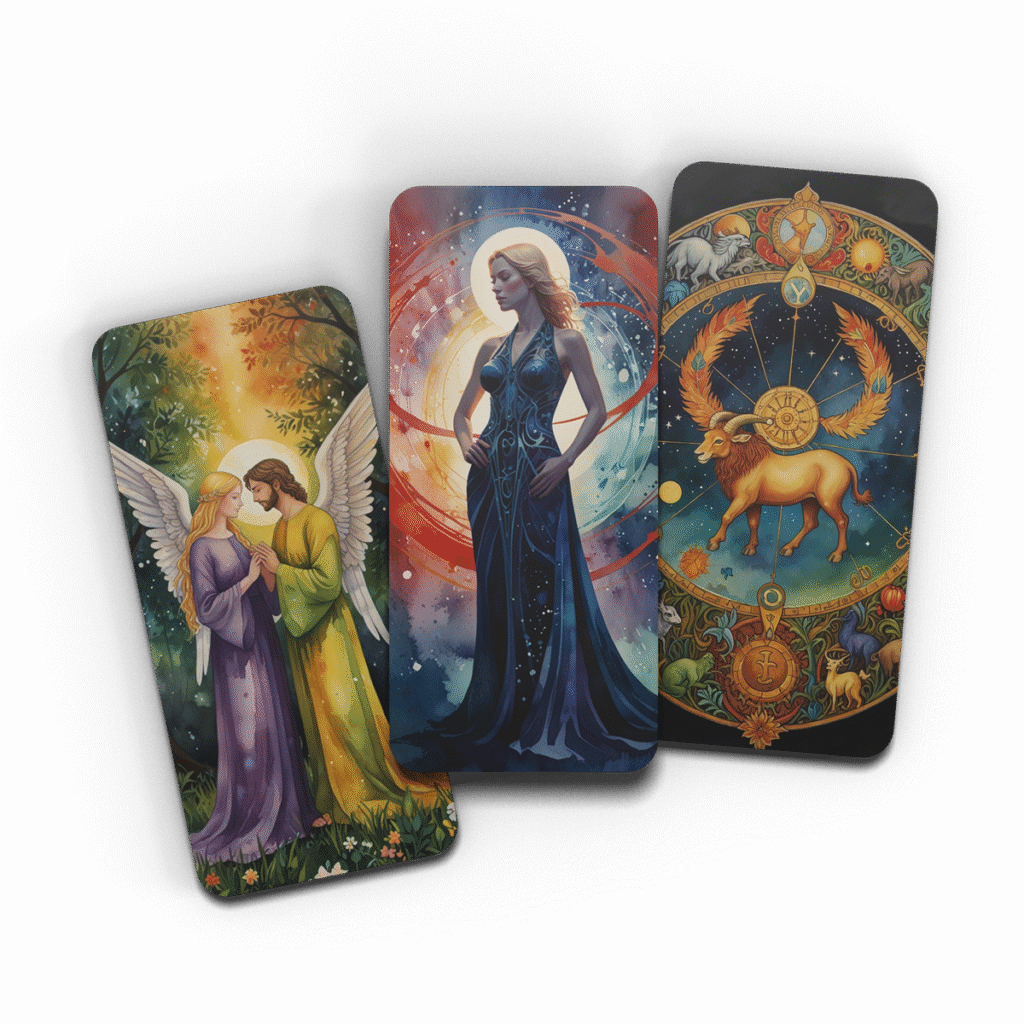




Are you feeling the heavy weight of resentment or disappointment today? We all experience these powerful emotions, and finding a gentle way to acknowledge and release them is crucial for our well-being. This post explores how tarot can serve as a compassionate guide on your journey to emotional freedom and inner peace.
As a tarot reader, I’ve sat with countless souls, and one thing is consistently clear: many of us carry unseen weights. These aren’t physical burdens, but rather the heavy, often silent, companions of resentment and disappointment. It’s a fundamental part of the human experience to feel these emotions, and acknowledging them is the very first step toward finding release. When these feelings linger, they cast long shadows over our spirits, dulling our joy and making even the simplest tasks feel monumental.
The Distinct Shadows of Resentment and Disappointment
While often used interchangeably, resentment and disappointment are distinct in their nature, each bringing its own unique energy to our inner landscape. Understanding their differences is key to addressing them effectively.
Understanding the Lingering Grip of Resentment
Resentment, to me, often feels like a slow-burning ember in the heart. It’s that bitter indignation we hold onto when we perceive an injustice, a slight, or when someone hasn’t met our expectations in a way that feels unfair. It’s not just anger; it’s anger mixed with a sense of being wronged, a feeling that something was deserved but withheld. I’ve seen it manifest in readings as a tightly coiled energy, showing up in cards like the 5 of Pentacles when someone feels left out, or the 9 of Swords, indicating restless, bitter thoughts replaying past events. It’s the feeling that whispers, “How could they?” or “Why did this happen to me?”
This emotion often festers in the quiet corners of our minds, growing stronger with each replay of a past event. It can become a chronic state, poisoning our perception of current interactions and relationships. It’s not always overt; sometimes it’s a subtle coolness, a reluctance to fully engage, or a tendency to find fault.
Navigating the Quiet Ache of Disappointment
Disappointment, on the other hand, is the quiet ache of a failed hope or a dream that didn’t materialize. It’s the pang we feel when reality doesn’t align with our carefully constructed visions of what could be. This isn’t about someone doing something *to* us, but rather the universe, or life itself, not delivering on what we expected. Think of the Lovers card reversed in a career reading, signaling a choice that didn’t pan out, or the Tower, representing a sudden collapse of plans. It’s the sigh, the slump of the shoulders, the feeling of “It should have been different.”
Disappointment can be incredibly disheartening because it often involves a sense of loss—loss of a future we envisioned, loss of trust in a situation, or even a loss of belief in ourselves. It can lead to apathy, a reluctance to try again, or a pervasive sadness when we reflect on unmet desires. For those seeking clarity on their daily emotional currents, a Daily Tarot Spread can offer valuable insights into these deeper feelings.
The Silent Burden on Our Spirits
Both resentment and disappointment, when left unaddressed, create a silent burden. They don’t just occupy mental space; they weigh down our entire being. I’ve observed how this emotional weight can manifest physically, leading to fatigue, tension, or even chronic stress. Spiritually, it can block our intuition, making us feel disconnected from our inner wisdom and the flow of life. It’s like carrying an invisible backpack full of heavy stones, making every step forward feel like a struggle.
The insidious nature of these emotions is that they often operate below the surface of conscious thought. We might feel generally irritable, unmotivated, or simply “off,” without realizing that a deep-seated resentment or a festering disappointment is at its root. This is why self-awareness is so crucial – to recognize these burdens before they become too heavy to bear.
Recognizing the weight of resentment and disappointment is the first courageous step on a path towards lighter living. It’s about acknowledging their presence, understanding their unique expressions within us, and preparing our hearts and minds to explore where they truly come from. In doing so, we begin to lay the groundwork for releasing these burdens and opening ourselves to greater peace.
It’s a feeling many of us know all too well: that sinking sensation when a cherished hope crumbles, or when an expectation we held so dearly is utterly betrayed. In my years reading tarot, I’ve seen these emotions — resentment and disappointment — ripple through countless readings. They aren’t just fleeting moods; they are often deep-seated reactions to how we perceive our experiences and the world around us. Understanding where these feelings come from is the first crucial step towards truly releasing them from our spirits.
Unraveling the Roots of Resentment and Disappointment
The journey into our emotional landscape often begins with recognizing the distinct seeds from which resentment and disappointment sprout. While both can feel heavy and burdensome, their origins often lie in different interpretations of events and interactions. Think of it like a tarot spread: each card tells a unique part of the story, and distinguishing between them helps us grasp the full narrative.
The Sting of Perceived Injustice: Fueling Resentment
Resentment often arises from a deep-seated feeling of being wronged, a belief that an injustice has been done to us. It’s that bitter taste left behind when we feel someone has treated us unfairly, taken advantage, or violated our boundaries. Perhaps a colleague took credit for your hard work, a friend betrayed a confidence, or a family member consistently overlooked your needs. These aren’t just minor annoyances; they chip away at our sense of fairness and respect, leaving us with a simmering anger that can linger for years. This feeling is not about the event itself, but our interpretation of the event as an unfair violation of what we believed was right or deserved. The more we replay these perceived injustices, the deeper the resentment can root itself, becoming a silent companion that drains our energy.
When Reality Falls Short: The Heart of Disappointment
Disappointment, on the other hand, stems from a different place: the gap between our expectations and reality. We paint vivid pictures of how things should be—a perfect relationship, a dream career, a successful project, or even a simple day out. When life inevitably veers from these carefully constructed visions, disappointment sets in. It’s the failed promotion you worked so hard for, the friend who didn’t show up, or the plans that fell through despite your best efforts. It’s not necessarily about being wronged, but about our hopes being dashed, leaving us with a sense of loss or sadness. The intensity of disappointment often correlates directly with the intensity of our initial hope or expectation. If you’re looking for guidance on understanding your current situation and potential outcomes, a three-card tarot spread can often offer quick and illuminating insights into past, present, and future energies surrounding these dashed hopes.
The Power of Perception: Shaping Our Emotional Reality
What’s truly fascinating, and often overlooked, is the profound role our perception plays in igniting both resentment and disappointment. Two people can experience the exact same event, yet one feels deeply wronged while the other finds a lesson in it. Our individual filters—our past experiences, beliefs, values, and even our current emotional state—color every interaction. If we approach situations with a rigid set of expectations, we are more prone to disappointment. If we are highly sensitive to perceived slights, resentment can flourish. Recognizing that our feelings are not just objective truths but are heavily influenced by our subjective lens is incredibly empowering. It suggests that if we can shift our perception, we can begin to change our emotional responses.
Cultivating Self-Awareness: The Path to Understanding
This is where self-awareness becomes our greatest ally. Taking the time to pause and truly examine why a particular situation triggered resentment or disappointment in us is crucial. Was it truly an injustice, or did it poke at an old wound? Was the expectation realistic, or was it an ideal we imposed on a complex reality? By delving into these questions, we gain clarity not only about the external triggers but also about our internal landscape. This inner work allows us to distinguish between what is truly happening and what we are projecting onto the situation. It’s about understanding our emotional triggers and patterns, which is essential before we can ever hope to release their grip.
Understanding the origins of our resentment and disappointment is not about assigning blame, but about gaining insight. It’s about recognizing the intricate dance between our inner world of expectations and perceptions, and the external world of events and interactions. With this newfound awareness, we can begin to see that while these feelings are valid, their power over us can be diminished. This foundational understanding prepares us to seek tools and practices that can compassionately guide us through releasing these burdens, moving us closer to a state of emotional freedom. In the next chapter, we’ll explore how tarot can serve as a profound compass in this journey of navigation and release.
Archetypes that Speak to Resentment and Disappointment
Certain cards often emerge when we’re grappling with these difficult emotions. For instance, the Five of Cups frequently appears to signify disappointment, showing us a figure lamenting over spilled cups while two remain upright, unnoticed. It’s a powerful visual reminder of focusing on what’s lost rather than what remains. The Eight of Swords, with its depiction of a blindfolded figure seemingly trapped by swords, beautifully illustrates the feeling of being bound by our own negative thoughts and perceptions – often a core component of unresolved resentment. And then there’s the Devil card, not in its literal sense, but as an archetype representing the chains of attachment, addiction, and feeling trapped by circumstances or even our own shadow self. These cards, when viewed in a reading, aren’t there to judge, but to simply say, “I see you. I see what you’re feeling.” For more insights on individual card meanings, you can always refer to resources like common tarot spreads, which often delve into these archetypal energies.
Finding Clarity and Non-Judgmental Understanding
One of the most profound gifts of tarot in this context is its capacity for non-judgment. The cards don’t tell us what we *should* feel or *should* do. Instead, they reflect what *is*. This can be incredibly liberating. When a card like the Tower appears in relation to dashed hopes, it might signify that the very structure of our expectations needed to fall for something new and more authentic to be built. Or, when the Justice card emerges in a reading about resentment, it might invite us to consider where true balance and fairness lie, both within ourselves and in our interactions with others.
Through this symbolic conversation, we begin to gain clarity. We start to understand *why* certain situations triggered such strong reactions, or *what* unacknowledged needs might be fueling our disappointment. This understanding isn’t about finding fault; it’s about finding the threads that lead us to deeper self-awareness and, ultimately, to healing. It’s a process of gently peeling back the layers, revealing not only the pain but also the inherent wisdom and resilience within us.
As we embark on this journey of self-discovery with the tarot, we move beyond simply identifying our feelings to actively engaging with them. The clarity and non-judgmental understanding offered by the cards lay a crucial foundation for what comes next: practical steps toward releasing these emotions. In our next chapter, we’ll delve into specific tarot spreads designed to facilitate this very process—to gently guide you in healing and letting go of resentment and disappointment.
In our last conversation, we explored how the tarot acts as a compassionate mirror, reflecting the often-hidden facets of our resentment and disappointment. We learned that simply acknowledging these feelings is the first profound step towards healing. Now, it’s time to move from reflection to active engagement. How do we take those insights and transform them into a gentle process of letting go? This is where specific tarot spreads become our allies, offering structured pathways to understand, process, and ultimately release what no longer serves us.
I’ve witnessed countless individuals find immense comfort and clarity through these targeted readings. It’s not about magic tricks or instant fixes, but about creating sacred space for your emotions to be seen, honored, and then gracefully released. Think of these spreads as conversation starters with your deepest self, guided by the wisdom of the cards.
Designing Your Path to Emotional Liberation
Working with resentment and disappointment can feel like untangling a complex knot. These emotions often have deep roots, intertwined with past experiences, expectations, and vulnerabilities. The beauty of a well-chosen tarot spread is its ability to break down this complexity into manageable pieces, allowing you to address each aspect with intention and compassion.
The “Unburdening” Spread for Releasing Resentment
Resentment, in my experience, often feels like carrying a heavy stone in your heart. It’s a refusal to forgive, a clinging to past hurts. This spread is designed to help you gently identify the layers of that stone and understand how to set it down. Shuffle your deck with the intention of understanding your resentment, then lay out five cards in a line.
- Card 1: The Seed of Resentment – What is the core event or feeling that sparked this resentment? This card illuminates the origin.
- Card 2: Its Current Impact – How is this resentment manifesting in your life now? What energy is it consuming, or how is it affecting your relationships or well-being?
- Card 3: The Unmet Need – What need or expectation was unfulfilled, leading to this feeling? Often, resentment stems from a feeling of injustice or a personal boundary crossed.
- Card 4: What Needs Acknowledgment – What part of yourself or the situation requires validation or understanding before you can move on?
- Card 5: A Gentle Release Action – What small, actionable step can you take to begin loosening the grip of this resentment? This isn’t about grand gestures, but often internal shifts or symbolic acts.
When interpreting this spread, pay close attention to the suits. Swords might indicate a need for clear communication or mental clarity, while Cups could point to emotional healing or boundaries. The court cards might represent people involved or aspects of your own personality, offering clues to the dynamics at play.
The “Releasing Disappointment” Spread for Healing
Disappointment is a painful recognition that reality hasn’t met our hopes. It can feel like a deflated balloon, leaving us with a sense of loss or sadness. This spread helps you process that loss and find a path towards renewed hope. Focus your intention on a specific disappointment you wish to address, then draw five cards as instructed.
- Card 1: The Core Disappointment – What is the central event or outcome that brought about this feeling?
- Card 2: The Ideal That Was Lost – What vision, hope, or expectation was attached to this situation? Understanding what you hoped for helps you grieve its absence.
- Card 3: Lessons Learned from the Outcome – What wisdom or insight can you glean from this experience? Even painful experiences hold valuable lessons that strengthen us for the future.
- Card 4: Healing the Wounds – What action or shift in perspective can help soothe the hurt associated with this disappointment? This could be self-care, reframing the narrative, or seeking support from trusted sources.
- Card 5: Moving Forward with New Vision – What new possibility or outlook can you embrace now that you’ve processed this disappointment? This card points to resilience, hope, and future growth, perhaps even suggesting a new direction.
Remember, the goal isn’t to deny your feelings but to acknowledge them fully, understand their origins, and then consciously choose to release their hold. This process takes time, patience, and self-compassion. For further insights into common tarot layouts and how to interpret different card positions, you can refer to resources on common tarot spreads.
These spreads are powerful tools, but they are most effective when approached with an open heart and a willingness to engage with what the cards reveal. Take your time with each card, journaling your thoughts and feelings. This active participation transforms the reading into a profound act of self-care and emotional release. As you gently peel back the layers of resentment and disappointment, you create space for something new to emerge. This clearing sets the stage for a powerful next step: embracing forgiveness, both for yourself and for others, allowing you to move forward with a renewed sense of peace and grace.
For example, exploring the nuances of the common tarot spreads can help you delve deeper into specific aspects of healing and growth.
Remember, this integration isn’t a one-time event, but an ongoing practice of mindfulness and intention. It’s about building resilience, developing a profound sense of self-compassion, and cultivating a renewed sense of hope and peace that emanates from within.
As we close this chapter, I invite you to reflect on the lightness that forgiveness can bring. It’s a journey, not a destination, and each step, however small, moves you closer to a place of profound liberation and grace. In our next chapter, we’ll explore how to harness this newfound peace and wisdom to manifest positive change and embrace your authentic self, stepping fully into your personal power.
FAQs
How often should I use tarot for emotional release?
There’s no strict rule, but I recommend engaging with these spreads when you feel a significant emotional blockage or a recurring pattern of resentment or disappointment. Consistency with intention is more important than frequency.
Can I use any tarot deck for these readings?
Absolutely! The most effective deck is one you resonate with personally. Your connection to the imagery and symbolism will deepen the insights you receive.
What if the cards reveal something painful or uncomfortable?
Tarot often acts as a mirror, showing us what needs our attention. If a reading is uncomfortable, it’s an invitation to lean into that feeling with compassion, not to shy away. This is where true healing begins.
How do I know if I’ve truly “released” the emotion?
Release is often a gradual process, not a sudden event. You’ll notice shifts in your perspective, a feeling of lightness, less emotional charge when thinking about the situation, and a greater sense of peace. Trust your intuition on this journey.
Reflect on the profound insights tarot can offer in navigating complex emotions. Are you ready to embrace a lighter, more empowered self? Dive into these gentle release spreads and begin your healing journey today at TarotReadingCard.online.