
Have you ever felt at a crossroads, where ancient wisdom calls for a profound shift within you? The Death and Hierophant tarot combination speaks directly to this powerful journey. It’s a dance between letting go of the old and embracing a new understanding of tradition, guiding you toward deep personal evolution. Let’s explore this transformative path.
When the Death card appears in a reading, I often see a flicker of apprehension in my client’s eyes. It’s a natural reaction, given its stark imagery and common misconceptions. But as an experienced reader, I’ve come to understand that the Death card is rarely about a literal ending. Instead, it’s one of the most powerful harbingers of profound transformation, a signal that something significant is shifting within you, making way for a vibrant new beginning. It’s about shedding old layers, much like a snake sheds its skin, to allow for essential growth.
Embracing the Cycle of Endings and Beginnings
In my years of practice, I’ve witnessed the Death card reveal itself during pivotal moments – career changes, relationship conclusions, or even deep internal shifts in how someone perceives their purpose. It’s never a finality, but rather a necessary clearing. Think of it not as an abrupt halt, but as a deliberate pruning in a garden. You remove the old, withered parts, not to destroy, but to allow new, stronger branches to flourish.
Understanding the True Meaning of Tarot’s Death Card
The essence of the Death card is *metamorphosis*. It speaks to the natural cycles of life, where endings are intrinsically linked to new beginnings. It asks us to look at what has outlived its usefulness, what energies or patterns are holding us back, and what needs to be released. This isn’t always easy. Letting go can be painful, even when we know it’s for our highest good. But the card assures us that what follows this release is always something fresh, something aligned with our evolving self.
“The Death card isn’t a prediction of doom; it’s a profound invitation to rebirth, demanding we bravely release the old to embrace the new.”
The Stage of Transformation: Our Established Beliefs
Often, the “old layers” the Death card refers to are not just external circumstances, but our deeply ingrained beliefs and structures. These are the foundational ideas we’ve built our lives upon, sometimes without conscious thought – family traditions, societal expectations, or even personal philosophies we adopted long ago. These established beliefs form the ‘stage’ on which our transformation plays out. When the Death card appears, it often hints that these very foundations are up for re-evaluation, ready to be challenged or reshaped.
Shedding the Old: A Personal Revolution
This shedding of old, often traditional, beliefs can feel like a personal revolution. I recall a client who, after years of following a path laid out by her family, drew the Death card. It felt like a crisis initially, but it was the catalyst she needed to question if those long-held expectations truly resonated with her soul’s calling. This process can be disorienting, as the familiar comfort of what “always was” begins to crumble. Yet, it’s in this crumbling that we find the space to construct something more authentic and vibrant.
Disruptive Renewal: Finding Your New Path
The initial experience of this transformation, while ultimately leading to renewal, often feels quite disruptive. It can shake us to our core, leaving us feeling vulnerable and uncertain. There might be a sense of loss for what was, even if what was no longer served us. However, as the dust settles, a clearer vision emerges. This is the promise of the Death card: through courageous release, we gain a renewed understanding of life’s intricate patterns and our place within them. It’s a powerful opportunity to redefine what truly matters to us.
As you navigate these transformative energies, remember that every ending is merely a doorway to a new beginning. The journey ahead might involve looking at established structures and guidance in a new light, perhaps even questioning the very traditions that once offered comfort. This inner work prepares you for a deeper engagement with the wisdom and structure of the world around you, a theme we’ll explore further as we delve into the Hierophant’s guiding hand.
After navigating the profound depths of the Death card’s transformative power, where old aspects of ourselves or our lives are shed to make way for new growth, we often find ourselves looking for something solid to hold onto. This is where The Hierophant steps in. As a seasoned tarot reader, I’ve seen countless times how, after a period of intense change, individuals seek out structure, meaning, and guidance. This powerful Major Arcana card represents our connection to tradition, spiritual institutions, and the established wisdom that has guided humanity for generations.
The Hierophant, in essence, is the guardian of conventional wisdom and spiritual frameworks. Think of a wise teacher, a religious leader, or even a deeply ingrained family tradition that has shaped your understanding of the world. This card isn’t about rigid dogma, but rather the comfort and direction found in shared beliefs and time-honored practices. It reminds us that there’s immense value in learning from those who have walked before us and in finding our place within a larger, established system. It’s about finding truth within conventional boundaries, offering a sense of stability when the ground beneath us might feel uncertain after a major shift.
Embracing Traditional Wisdom and Structure
When The Hierophant appears in a reading, I often see clients grappling with questions of faith, belonging, and how to align their personal values with a broader moral or spiritual code. It signifies a period where we might lean into established practices, seeking counsel from mentors, or finding solace in the rituals and beliefs of a community. It’s the yearning for a map when you feel lost, a compass when your internal navigation system is recalibrating.
The Comfort of Conventional Beliefs
There’s a deep-seated human need for understanding, and traditional frameworks often provide that. I recall a client, Sarah, who came to me after a significant career change that left her feeling adrift (a true Death card experience!). She felt a strong pull towards her family’s spiritual practices, which she had previously distanced herself from. The Hierophant in her reading highlighted this innate desire for the familiar, the comfort of knowing there’s a tried-and-true path, a community with shared values she could return to. It’s about finding grounding in a world that can often feel chaotic.
The Hierophant represents the invaluable wisdom passed down through generations, offering a blueprint for understanding life’s grander design and our place within it.
Navigating the Path of Spiritual Authority
Sometimes, The Hierophant also points to a relationship with a spiritual teacher or a trusted guide. This isn’t about blindly following, but about recognizing expertise and allowing oneself to be led for a time. It could be joining a new spiritual group, delving into ancient philosophies, or simply finding a mentor who embodies the wisdom you seek. This guidance provides a sense of direction and helps us interpret life’s complexities through an established lens. It’s a journey of learning, where we’re open to receiving and integrating knowledge from external sources.
When Foundations Begin to Quiver
However, no system is entirely static, and even the most solid foundations can be prompted for re-examination. Just as the Death card showed us that endings are necessary for rebirth, sometimes those endings involve our previously held beliefs. Perhaps external events challenge our understanding of the world, or an internal awakening makes us question whether existing doctrines truly resonate with our authentic self. This isn’t about rejecting tradition outright, but about a gentle nudge from within or without, suggesting that a deeper, more personal truth might be waiting to be uncovered.
This subtle stirring, this quiet questioning, is precisely where the journey truly becomes fascinating. We’ve experienced profound transformation, and now we’re holding that new self up against the mirror of our established beliefs. In the next chapter, we’ll delve into what happens when the transformative energy of Death truly intersects with the foundational wisdom of The Hierophant, exploring the sacred dance of endings and the birth of new, personalized belief systems.
There comes a point in our spiritual journeys where the comfort of established beliefs, though once a sturdy guide, begins to feel restrictive. It’s a subtle stirring at first, a whisper that perhaps the well-worn paths no longer fully resonate with the truth blossoming within us. This is the profound invitation of the Death card in conjunction with The Hierophant — a sacred dance between letting go and rediscovering the sacred in new ways.
Embracing Transformation in Sacred Spaces
In my years of reading tarot, I’ve seen this combination surface when clients are grappling with deeply ingrained systems, be they religious, cultural, or personal philosophies handed down through generations. It’s not about rebellion, but about an evolution of the soul that gently, yet powerfully, demands a re-evaluation of what we hold as sacred and true.
The Call to Release Old Forms
The Death card, often misunderstood and feared, is rarely about physical demise. Instead, it speaks to a powerful and necessary ending—a radical transformation. It’s the shedding of old skins, the letting go of what no longer serves your highest good, paving the way for profound renewal. Think of the caterpillar dissolving in its chrysalis; it’s a complete disintegration before a new form emerges. This energy, when it appears, tells us that certain aspects of our inner or outer world are ready for release, clearing space for vital growth.
The Foundation of Tradition
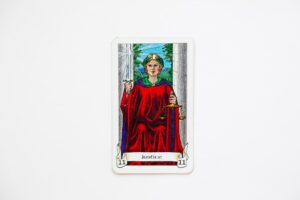
On the other hand, The Hierophant represents tradition, spiritual guidance, and established moral or belief systems. This card reminds us of the importance of structure, community, and the wisdom passed down through time. It’s the sacred texts, the rituals, the institutions that provide a framework for understanding the divine and our place within it. The Hierophant offers comfort in conformity, a sense of belonging, and a clear path laid out by those who came before us.
Reinterpreting Beliefs for Personal Truth
When Death and Death card appears alongside The Hierophant in a reading, it speaks to a profound moment in your spiritual and personal journey. It’s a powerful invitation to not just transform, but to redefine what you hold as sacred and true. This isn’t merely about change; it’s about courageously dismantling old belief systems that no longer serve you and consciously reconstructing new ones that align with your deepest, most authentic self.
The Liberating Power of Re-evaluation
I’ve seen clients grapple with this combination, often feeling a mix of fear and exhilaration. It’s like clearing out an attic filled with inherited ideas and then carefully selecting what to keep, what to repurpose, and what to release entirely. This process unleashes an incredible sense of liberation, allowing for genuine spiritual growth.
Embracing Death’s Call to Transformation
The Death card, contrary to popular misconceptions, rarely signifies physical death. Instead, it represents the inevitable end of a cycle, a radical transformation that clears the path for rebirth. When it comes to beliefs, Death provides the courage to question long-held doctrines, family traditions, or societal norms that have stifled your true spirit. I remember one client who, after years of feeling trapped by a strict religious upbringing, finally found the strength to explore a more expansive, personal spirituality. It was a shedding, a liberation that allowed her authentic spiritual identity to emerge.
Hierophant’s Wisdom: Grounding Your New Truths
Paired with Death, The Hierophant shifts its emphasis from rigid tradition to finding new, meaningful structures. This card encourages you to integrate your transformed understanding into a new, personalized belief system. It’s about building a fresh foundation for your values and ethics, often drawing on universal spiritual truths while leaving behind the dogma. Think of it as constructing your own spiritual compass, one that points directly to your inner truth, rather than relying solely on external guides.
Synthesizing Strength: The Courage to Evolve
The inherent strength born from this combination is immense. It grants you the profound ability to adapt traditional wisdom to your contemporary needs, to find deep personal meaning within larger spiritual or ethical structures, and to undergo significant spiritual evolution. You gain the courage to critically examine and transform outdated beliefs, fostering an inner wisdom that is both ancient and entirely new. You become your own spiritual authority, guided by both intuition and reasoned insight.
Navigating the Crossroads of Change and Tradition
While this combination offers immense strengths, it also presents unique challenges. The path of spiritual evolution isn’t always smooth, and there will be moments of discomfort as you navigate this transformation.
Facing Resistance to Transformation
The most significant challenge is often resistance to necessary change. It’s human nature to cling to the familiar, even when it’s limiting. The radical shifts prompted by Death can be unsettling, leading to a feeling of being unmoored. You might find yourself feeling stuck between the old, comforting (though perhaps stifling) frameworks and the uncharted territory of new beliefs. This internal struggle is perfectly normal and a vital part of the growth process.
“True spiritual growth often begins when we have the courage to stand at the crossroads of our inherited beliefs and our emerging truths, daring to build a path uniquely our own.”
Conflict with Traditional Authorities and Letting Go
Another common hurdle is potential conflict with traditional authorities or institutions. As you evolve, your newfound perspectives might clash with the expectations of family, community, or established religious groups. This can be emotionally taxing, requiring you to stand firm in your authentic truth while navigating these external pressures. The difficulty in letting go of comforting but limiting established frameworks, even if they no longer serve you, can also lead to internal hesitation and self-doubt.
Strategies for Harmonious Evolution
So, how do you navigate these potential pitfalls? My experience has shown these strategies to be incredibly helpful:
- Conscious Discernment: Don’t feel pressured to discard everything from your past. Carefully examine which traditional elements still resonate with your evolving truth. Keep what genuinely serves your soul and release what restricts it.
- Seek New Mentors and Communities: If old authorities no longer provide the guidance you need, seek out new teachers, spiritual guides, or communities that align with your expanded worldview. Online forums, local spiritual groups, or even books can offer immense support.
- Journaling and Reflection: Documenting your thoughts and feelings during this transitional period can be incredibly clarifying. Write about what you’re questioning, what new insights are emerging, and how you feel about letting go. This practice builds your internal authority and reinforces your new convictions.
- Embrace the Discomfort: Understand that spiritual growth is rarely a seamless process. The friction between old paradigms and new understandings is often where genuine insight and strength are forged. Allow yourself to be in that uncomfortable space; it’s a sign of profound progress.
Embracing the strengths of this Death and Hierophant combination means stepping into your power as a spiritual seeker who can both honor wisdom and bravely forge a unique path. This chapter has illuminated the transformative journey of re-evaluating core beliefs. In our next chapter, we’ll delve into how you can practically integrate these profound insights into your daily life, building a personalized spiritual framework that truly supports your evolved self.
After navigating the powerful currents of transformation and facing the pivotal crossroads presented by the Death and Hierophant combination, you now stand on the threshold of something truly profound: building your evolved path. It’s a space where the old has gracefully receded, and the wisdom to create something new is firmly in your hands. This isn’t just about moving on; it’s about moving forward with intention, drawing upon the lessons learned and the insights gained to forge a spiritual and practical framework that genuinely resonates with who you are now.
I’ve seen countless individuals grapple with this exact moment in a reading – the feeling of liberation mixed with the question, “What now?” It’s a beautiful dance between the completion and renewal that the Death card signifies, and the grounded, enlightened guidance offered by the Hierophant.
Crafting Your Authentic Spiritual Framework
The journey with Death and the Hierophant is ultimately about establishing a spiritual foundation that is uniquely yours, one that honors both your personal truths and a broader sense of meaning. It’s a process of integrating deep change with a desire for stability and understanding.
Honoring the Cycles of Completion and Renewal
The Death card, despite its intimidating imagery, is fundamentally about cycles—the necessary endings that pave the way for fresh beginnings. As you integrate this energy, remember that true renewal isn’t about forgetting what came before, but understanding its role in shaping your present. What beliefs, habits, or relationships were released? How have those endings freed up space in your life, your heart, and your mind?
This phase calls for a period of gentle reflection. Journaling can be incredibly powerful here, allowing you to articulate the transformations you’ve undergone. Consider:
- What outdated paradigms have you shed?
- What new perspectives have emerged from the ashes of the old?
- How has this transformative process deepened your appreciation for life’s constant evolution?
By consciously acknowledging these shifts, you prepare yourself to build a new, stronger edifice.
Building New Structures with Enlightened Guidance
The Hierophant steps in to offer structure and enlightened guidance after the whirlwind of Death. This isn’t about adhering to rigid dogma, but rather about consciously choosing principles and practices that align with your newfound understanding. Think of it as constructing a personal temple for your spirit, adorned with wisdom you’ve vetted and chosen yourself.
This could involve:
- Exploring spiritual traditions that now resonate with you.
- Seeking mentors or communities that support your evolved perspective.
- Developing your own rituals or daily practices that ground you in your personal truth.
The Hierophant encourages you to seek out and absorb wisdom, but always to filter it through your unique lens. It’s about *your* spiritual authority, not blindly following someone else’s.
Finding Equilibrium: Deliberate Action and Graceful Adaptation
The core of integrating Death and the Hierophant is finding equilibrium. On one hand, you are empowered to take deliberate action in shaping your new beliefs and lifestyle. You are the architect of your spiritual destiny. On the other, there’s a need for graceful adaptation to the rhythms of evolving spiritual understanding. Life is fluid, and your path will continue to unfold.
“The authentic spiritual path is not a rigid highway, but a living river, constantly shaping its banks while flowing towards an ever-expanding ocean of understanding.”
This means allowing for flexibility. Perhaps a practice you establish today will evolve next year. That’s not a failure; it’s a sign of growth. Trust your inner compass to guide you, seeking new forms of guidance when needed, but always returning to your intuitive knowing.
Embracing your evolved path means continuously weaving together the threads of change and wisdom. It’s about being brave enough to let go, wise enough to learn, and resilient enough to build anew. As you step into this next phase, remember that your journey is a unique tapestry, rich with the colors of your past transformations and bright with the promise of your personalized spiritual future. In our next chapter, we will explore how to maintain this balance and continue to flourish on your uniquely forged path.
FAQs
What if I resist the changes suggested by the Death and Hierophant combination?
Resisting change is natural, especially when it involves deeply held beliefs. This combination encourages you to gently examine where your resistance comes from. Is it fear of the unknown, or a genuine conviction? Acknowledging this can be the first step towards a more authentic evolution.
How can I distinguish between truly outdated traditions and timeless wisdom?
Timeless wisdom often resonates deeply with your inner truth and fosters growth, compassion, and understanding. Outdated traditions, when viewed through the lens of Death and Hierophant, might feel restrictive, irrelevant, or even harmful to your personal evolution. Reflection and self-inquiry are key.
Does this combination mean I should leave my current spiritual or religious path?
Not necessarily. This combination often points to a transformation *within* your current path rather than abandoning it. It encourages you to find renewed meaning, adapt certain aspects, or discover a more personal connection to its teachings. It’s about evolution, not always rejection.
How do I find new spiritual guidance after a major transformation?
After a significant shift, your intuition will be a powerful guide. Look for communities, teachers, books, or practices that resonate with your evolved understanding. The Hierophant aspect suggests you’ll still seek structure, but perhaps a more personalized or newly defined one that aligns with your transformed self.
Is this combination always about spiritual or religious beliefs?
While often spiritual, the Death and Hierophant combination can apply to any established system of belief or structure in your life: career paths, educational philosophies, family traditions, or even personal values. It signifies a profound shift in how you relate to foundational principles.
The Death and Hierophant journey is one of profound self-discovery, inviting you to reshape your beliefs and embrace evolving wisdom. How will you navigate your own blend of transformation and tradition? Unlock deeper insights into your life’s unique blueprint. Try our Tarot Spreads today at tarotreadingcard.online!