


Ever felt stuck at a crossroads, especially in your career or financial journey, sensing a deep need for change but unsure how to embrace it? The Death card, especially when reversed in a reading about your professional and financial life, speaks volumes about these moments of profound, yet resisted, transformation. Let’s uncover its powerful message.
Have you ever stood at a crossroads in your career or financial life, knowing deep down that a significant shift was necessary, but found yourself frozen? Perhaps the current path feels stagnant, unfulfilling, or simply unsustainable, yet taking that first step towards something new feels monumental, even terrifying. It’s a common human experience, this feeling of being on the precipice of change while an invisible force holds you back. You might feel a growing restlessness, a whisper that says, “It’s time,” yet hesitation, doubt, or external circumstances create a frustrating delay.
As a tarot reader, I’ve seen this scenario play out countless times in readings. When the Death card appears reversed in a career or finance spread, it speaks directly to this internal tug-of-war. It’s not about avoiding literal endings, but rather about the profound resistance to an ending that is not only inevitable but also ultimately beneficial. This card doesn’t signify impending doom; instead, it highlights the stalling of essential transformation, often because we’re clinging to what’s familiar, even if it no longer serves our highest good.
Resisting the Necessary Ending in Career and Finance
The Death card, at its core, represents radical change, the necessary shedding of old skin to allow for new growth. When it shows up reversed in a reading focused on work or money, it’s a powerful signal that while change is knocking loudly, we’re either refusing to open the door or simply can’t find the doorknob. This can manifest as prolonged indecision about a job offer, an inability to leave a toxic work environment, or a persistent struggle with financial patterns that clearly aren’t working.
It raises profound questions: What are we truly afraid of losing? What identity are we unwilling to let go of? These moments are heavy, laden with the weight of our future, our security, and our potential unlived lives. It’s a call to examine the roots of our resistance, to understand what makes us hesitate when true growth awaits.
The Weight of Unmade Decisions and Clinging to Comfort
The resistance signaled by Death reversed often manifests as an inability to make concrete decisions. You might find yourself caught in a cycle of “what if” scenarios, endlessly weighing pros and cons without ever choosing a path. This isn’t laziness; it’s often a deep-seated fear of the unknown. I remember a client who desperately wanted to leave his uninspiring corporate job to start his own consulting business. Each time he was on the verge of making the leap, he’d find a new reason to delay – a minor project at work, a new expense, a fear of financial instability. He was clinging to the perceived security of his current job, even though it was slowly eroding his spirit. This inertia, this delay, is precisely what Death reversed speaks to in career readings: the energy of transformation is present, but it’s being blocked by our own reluctance.
The Illusion of Control and the Fear of Loss
Sometimes, we resist change because we want to control every single outcome. When it comes to our careers and finances, we crave predictability and stability. The idea of stepping into the unknown, where we can’t foresee every challenge or guarantee every success, can be paralyzing. Death reversed asks us to confront this need for control. We might be holding onto a dying business venture or a role that has clearly passed its expiration date, simply because letting go feels like a loss of control, a surrender to uncertainty. Yet, true control often comes from embracing the flow of change, not fighting against it. It’s about trusting that an ending makes space for a new beginning, even if that beginning looks different from what we’d meticulously planned.
Old Identities and Beliefs Holding You Back
Our careers and financial standing are often deeply intertwined with our sense of identity. Perhaps you’ve always seen yourself as a “corporate climber” or a “stable provider,” and the thought of stepping away from that persona feels like losing a part of yourself. Death reversed suggests that old beliefs or identities about who you are, or who you *should be*, might be preventing necessary evolution. These outdated frameworks, while once perhaps helpful, can become prisons. Acknowledging this internal conflict is the first step towards liberation. It’s about recognizing that who you were yesterday doesn’t have to define who you are destined to become tomorrow.
The message of Death reversed in your professional and financial life is a profound invitation to look inward. What are you truly holding onto, and why? What fears are delaying your inevitable transformation? Understanding this internal resistance is crucial, because true freedom and growth come from allowing cycles to complete themselves. In the next chapter, we will delve into the profound and often misunderstood archetype of the Death card itself, exploring its foundational meaning and how it truly signifies not an end to existence, but a powerful, necessary force for evolution and renewal.
In our last conversation, we explored the uneasy feeling of standing at the precipice of significant career or financial shifts, that familiar flutter of hesitation even when we know change is necessary. It’s a moment often accompanied by deep uncertainty about the future. Today, I want to introduce you to a profound force that often emerges during these very times: the Death card in Tarot. Please, don’t let its name send a shiver down your spine; in the world of Tarot, Death is rarely about physical demise. Instead, it’s a powerful, often misunderstood, harbinger of transformation.
Understanding the True Meaning of the Death Card
When the Death card appears upright in a reading, it’s an unmistakable signal that a significant cycle in your life is coming to an end. This isn’t a subtle nudge; it’s a dramatic, definitive closing of a chapter, making way for something entirely new. Think of it less as a final curtain call and more like the essential clearing of the old growth in a forest to allow new life to flourish. It’s about letting go, releasing attachments, and severing ties with what no longer serves your highest good.
Beyond Literal Endings: The Phoenix Archetype
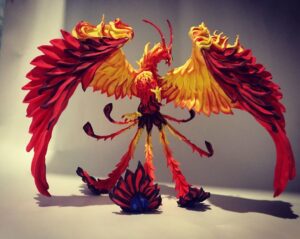
Many clients initially recoil when they see the Death card, fearing the worst. But I always reassure them that this card embodies the spirit of the phoenix—a magnificent creature that rises from its own ashes, reborn and renewed. The Death card symbolises this exact process: the necessary destruction of outdated structures, beliefs, or situations to make way for radical renewal. Perhaps it’s a career path you’ve outgrown, a financial strategy that no longer aligns with your values, or even old self-limiting beliefs about your earning potential. Whatever it is, Death asks you to acknowledge its end, not to fear it, but to see the potential for a fresh start.
The Death card in Tarot represents the transformative power of endings, not the finality of literal death. It signals the courageous act of shedding old skins to embrace new beginnings and spiritual evolution.
Shedding the Old Skin: Liberation and Growth
There’s a tremendous sense of liberation that comes with truly understanding and embracing the Death card’s message. It encourages you to identify what has become stagnant or suffocating in your life and boldly release it. This could mean leaving a job that drains your energy, selling an investment that’s become a burden, or simply shedding old habits that prevent financial growth. This shedding isn’t a loss, but a strategic act of self-preservation and growth. It’s about making space, both literally and energetically, for new opportunities and fresh perspectives to enter.
Embracing the Inevitable: Transformation as Evolution
Change, as we all know, is the only constant. The Death card reminds us of this fundamental truth and frames it as a powerful force for evolution. It’s a call to move forward, even when the path ahead isn’t entirely clear. Consider a caterpillar’s transformation into a butterfly; the caterpillar doesn’t just evolve, it undergoes a complete dissolution of its old form to emerge as something entirely different and magnificent. This card pushes us to confront the aspects of our career or financial life that are crying out for a similar metamorphosis, urging us to trust the process, even when it feels uncomfortable.
Death as a Catalyst for New Beginnings
The beauty of the Death card is that it always promises new beginnings. After the clearing, after the shedding, comes the fertile ground for new growth. This might manifest as a completely new career direction you hadn’t considered, an innovative financial venture, or a renewed sense of purpose that brings both prosperity and fulfillment. It’s a powerful invitation to reinvent yourself, your approach, and your understanding of success. When we accept Death’s embrace, we actively participate in our own spiritual and material evolution, rather than being dragged along by circumstance.
The upright Death card, therefore, is not a card to fear, but one to respect and understand as a potent ally in our journey. It’s a clear message that a fundamental shift is underway, a necessary ending that paves the way for a more authentic and rewarding future. However, what happens when we resist this powerful, natural force of transformation? What happens when we cling desperately to what needs to fall away? That’s precisely what we’ll explore next, as we delve into the implications of the Death card appearing in reverse, signaling a deeper struggle with stagnation in career and finance.
Have you ever felt a deep sense of unease in your professional life or with your finances, knowing a change is desperately needed, yet finding yourself unable to take the first step? It’s a common human experience, this pull between the familiar and the unknown, especially when our livelihood feels at stake. When the Death card appears reversed in a reading focused on career or finance, it’s a potent signal that this resistance isn’t just passive; it’s an active, often unconscious, force keeping you stuck.
The Reluctance to Release: Reversed Death in Your Work and Wealth
In its upright position, the Death card speaks of necessary endings, a swift clearing away of the old to make way for the new. It’s a natural, albeit sometimes intense, flow of transformation. But when this powerful card reverses, it’s as if that river of change has hit a dam. The energy is still there, the need for transformation is still present, but it’s being blocked. In career and finance, this manifests as a profound reluctance to let go, leading to stagnation and missed opportunities.
Clinging to the Familiar: Resisting Necessary Change
One of the clearest messages of the Death card reversed in these areas is a strong resistance to necessary change. Perhaps you’re in a job that no longer fulfills you, where growth feels impossible, or where the environment is toxic. Maybe your financial habits are outdated, no longer serving your current goals, or even actively harming your future. You know, deep down, that something needs to end, but the thought of disrupting the status quo feels overwhelming. I often see this with clients who are miserable in their work but are terrified to update their resume or even consider a different path. It’s a refusal to acknowledge that some aspect of their professional or financial structure has reached its natural conclusion.
The Shadow of Fear: Stagnation and Inaction
This resistance is almost always rooted in fear. It’s the fear of loss – loss of a stable income, loss of perceived security, loss of identity tied to a job title, or even the fear of the unknown. “What if I can’t find anything better?” “What if I lose money?” These anxieties can paralyze us, keeping us in situations that actively drain our energy and potential. The reversed Death card highlights this inertia. Instead of the powerful, decisive completion of the upright card, we see stagnation. You might be endlessly contemplating a career move or a new investment strategy without ever acting, leading to a frustrating sense of being stuck in quicksand.
The reversed Death card in career and finance is a mirror, reflecting our deepest fears around security and control, preventing the very transformation that promises liberation.
Delayed Transitions and Missed Opportunities
The consequence of this inaction is often delayed transitions and, unfortunately, missed opportunities. Life, and the market, moves on. While you hesitate, that perfect job opening might pass you by, or a favorable investment window might close. It’s not that opportunities aren’t present, but rather that the internal blockages prevent you from seeing them clearly or having the courage to seize them. I’ve witnessed individuals regretfully recall moments they knew they should have pivoted their career or shifted their financial strategy, only to look back and realize the perfect timing had elapsed.
Internal Blockages to Financial Flow and Career Growth
Beyond external circumstances, the reversed Death card points to internal blockages. These might be limiting beliefs about your worth, your capabilities, or even your right to financial abundance. Perhaps you’re unconsciously sabotaging your own success because the idea of a radically different future feels too daunting. It’s a powerful signal that the work needed isn’t just external (like updating a resume) but internal—addressing the root causes of your reluctance to move forward and embrace necessary transformation. For a deeper dive into overcoming such internal hurdles, explore the broader meaning of the Death card reversed.
Understanding these implications is the first step. The reversed Death card isn’t a judgment; it’s an invitation to look honestly at where you’re holding on too tightly. It’s a call to identify those unseen chains that bind you to a professional or financial narrative that has run its course. The next chapter will explore the profound interplay between the need for monumental transformation and the resistance to it, diving into the “limbo” state this creates.
Have you ever felt caught in a bewildering state of limbo, especially when it comes to your work or finances? It’s that frustrating feeling where you know, deep down, that something significant needs to shift, but you just can’t seem to make it happen. You sense the winds of change, yet find yourself anchored firmly to the familiar, even if it brings discomfort. This is precisely the space where the potent energy of the Death card, when it appears reversed in a career or finance reading, often manifests. It’s a transformative stalemate, a powerful internal battle for metamorphosis.
The Paradox of Desired and Resisted Transformation
When the Death card shows up in a reading, even upright, it speaks of profound endings that clear the way for new beginnings. But when it’s reversed in the context of your career or financial path, it’s not that the transformation isn’t needed or even desired on some level; it’s that it’s being met with significant internal resistance. It’s like standing at the edge of a cliff, knowing you need to jump to reach the beautiful valley below, but an unseen force is holding you back.
This isn’t always a conscious refusal. Often, it’s a deep-seated, perhaps unconscious, fear of the unknown, a clinging to security, or a discomfort with loss, no matter how necessary that loss may be. In the previous chapter, we explored the nuances of this resistance and stagnation. Now, with the Death card in play, we understand that this resistance isn’t merely about delaying a decision; it’s about actively holding back a monumental and inevitable transformation in your professional or financial life.
The Whispers of Necessary Endings in Career & Finance
The universe, through the Death card, is signaling that a significant chapter in your career or financial narrative needs to close. This could mean leaving a job that no longer serves your soul, divesting from an investment that’s become a drain, or even radically altering your entire approach to earning or managing money. The message is clear: to evolve, something must end. But when the card is reversed, you’re hearing these whispers, acknowledging them on some level, yet turning away. This could manifest as:
- Prolonged Indecision: Constantly weighing options without committing, feeling paralyzed by the magnitude of the change.
- Missed Opportunities: Seeing potential new paths but failing to act, allowing them to slip away due to inaction.
- Clinging to the Past: Holding onto a job, a business model, or financial habits that are clearly outdated or detrimental, simply because they are familiar.
The Perilous Limbo of Unaddressed Change
This dynamic interplay—the urgent call for transformation versus the powerful urge to resist it—creates a deeply uncomfortable “limbo” state. Imagine a caterpillar struggling to emerge from its chrysalis but refusing to break free. The process of becoming a butterfly is halted, leading to prolonged discomfort and frustration. This isn’t just about feeling stuck; it’s about feeling the *pressure* of change without the *release* of embracing it. You might experience:
- A persistent feeling of unfulfillment in your work.
- Financial anxieties that seem to linger, even if there’s no immediate crisis.
- A sense of internal agitation or weariness from constantly battling your own instinct for growth.
This state isn’t sustainable. The energy of the Death card is powerful and insistent. It represents the natural cycle of life, death, and rebirth. When resisted, this energy doesn’t disappear; it festers, leading to prolonged periods of inertia and deep-seated dissatisfaction. You might notice yourself feeling more tired, less motivated, and increasingly disconnected from your work or financial goals.
Embracing the Uncomfortable Truth: Why We Hold Back
The primary reason for this resistance, as illuminated by the reversed Death card, is often fear. Fear of losing what little security you have, even if that security is illusory or comes at a high personal cost. Fear of the unknown future, of making the “wrong” choice, or of the effort required to rebuild. We become so attached to the structures we’ve built, even crumbling ones, that the thought of dismantling them is terrifying. This internal battle for metamorphosis isn’t about avoiding change altogether; it’s about refusing to acknowledge that certain things simply must end for true progress to occur.
“The reversed Death card is a powerful mirror, reflecting our deepest fears of letting go and revealing the profound need to embrace inevitable endings for true growth.”
In essence, this combination is a wake-up call. The potential for profound, liberating change is not only present but knocking loudly at your door. The key lies in recognizing that the discomfort you’re feeling isn’t a sign that change is bad, but rather a symptom of your resistance to a necessary, albeit challenging, process of transformation. It’s an invitation to lean into the discomfort and allow the old to truly fall away, making space for a more authentic and fulfilling professional and financial future.
Understanding this dynamic is the first, crucial step. In our next chapter, we will delve deeper into identifying your unique strengths and challenges within this transformative stalemate, and, most importantly, explore actionable insights to help you step forward with confidence into the inevitable, and ultimately beneficial, transformation that awaits.
After exploring the “transformative stalemate” that the Death card in reverse often signifies in career and finance, you might be feeling a mix of recognition and perhaps a little overwhelm. It’s a heavy energy, this push-pull between the inevitable need for change and the fierce resistance to it. But here’s the powerful truth: simply acknowledging this crossroads is a massive step forward. You’re not stuck; you’re standing at a pivotal point, gathering your strength for what comes next.
This period, as challenging as it feels, isn’t without its gifts. In fact, the very act of prolonged resistance can inadvertently forge incredible strengths. Think about it: when you delay a necessary ending, you’re often engaging in deep introspection, even if it’s uncomfortable. You’re being given an extended opportunity to scrutinize every angle, to truly understand what you’re holding onto and why. This isn’t just procrastination; it’s often a profound period of internal negotiation and resilience, building a stronger foundation for the authenticity you secretly crave.
Embracing the Wisdom of Waiting
One inherent strength here is the chance for a thorough re-evaluation. While others might rush into changes, your resistance means you’re being given time to really sit with your options. This can lead to a more deliberate and ultimately more aligned path. You’re building a deeper understanding of your true desires and what truly serves your highest good in your professional or financial journey. It’s an unconscious desire for authenticity, bubbling beneath the surface, waiting for its moment.
However, we must also acknowledge the very real challenges. The most prominent, and often most insidious, is procrastination. This isn’t just putting off tasks; it’s putting off life itself. Fear-driven decisions become common, rooted in anxiety about the unknown rather than genuine insight. This cycle can lead to prolonged periods of unfulfillment, where your work feels meaningless or your financial situation feels stagnant, even if there’s potential for growth. Ultimately, this resistance can result in missed opportunities – doors that open and close because we were too hesitant to step through them.
Practical Insights for Your Crossroads
So, how do we shift from merely recognizing this state to actively navigating it? The key is to transform passive resistance into active, conscious movement. It begins with gentle inquiry and small, deliberate steps.
Identifying Your Areas of Resistance
Start by honestly asking yourself: “What am I truly afraid to let go of?” Is it a sense of identity tied to your current job title? The perceived security of your financial routine, however dissatisfying? Often, the Death card reversed in this context points to an attachment to something that no longer serves your growth. Journaling can be incredibly powerful here. Write down your fears, your attachments, and the narratives you tell yourself about why change is impossible or too risky. You might be surprised at what surfaces.
Embracing Small, Deliberate Changes
You don’t need to quit your job tomorrow or overhaul your entire financial plan overnight. The path to transformation is paved with small, consistent actions. Think of it like a ripple effect. Can you update your resume, even if you’re not actively looking? Research new industries or investment strategies for just 15 minutes a day? Practice saying “no” to commitments that drain your energy, freeing up space for new possibilities? These micro-changes build momentum and chip away at the inertia, preparing the ground for the larger shifts. Remember, every major journey begins with a single step, no matter how small.
Seeking Internal Clarity and Guidance
The Death card, even reversed, is about profound understanding. To move forward, you need to hear your inner voice more clearly. Meditation, walks in nature, or simply dedicating quiet time to self-reflection can help. Consider what kind of professional or financial life would truly make your spirit sing. What values do you want your work to embody? What kind of financial freedom truly resonates with you? Sometimes, an outside perspective, like a trusted mentor or even a single tarot reading on the Death card’s deeper meaning, can illuminate blind spots and validate your intuitive nudges.
“The journey through the transformative stalemate isn’t about eradicating fear, but about learning to move forward with it, one conscious step at a time.”
Preparing for the Inevitable (and Beneficial) Transformation
Ultimately, the transformation signaled by the Death card is inevitable. When it’s reversed, it simply means you’re delaying it, not avoiding it. The more you consciously prepare for this metamorphosis, the less painful and more empowering it will be. This preparation isn’t about forcing an outcome, but about building your internal resources: resilience, clarity, and trust in your own intuitive wisdom. By identifying your resistance, taking small steps, and nurturing your inner guidance, you are actively choosing to engage with your destiny rather than passively letting it unfold. You are moving from a state of limbo to one of conscious creation.
As you begin to integrate these practical steps, you’ll notice a subtle shift in your energy. The discomfort might still be there, but it will be tempered by a growing sense of agency and hope. In the next chapter, we’ll delve deeper into the mindset shifts required to fully embrace this transformation, moving beyond the fear of endings and towards the excitement of new beginnings.
FAQs
What if I’m afraid of the changes this card suggests?
It’s natural to fear big changes, especially concerning financial stability or career identity. The Death card reversed often highlights this very fear. The key is to start with small, manageable steps towards understanding what truly needs to end and what new beginning you genuinely desire. Journaling, meditation, and seeking guidance can help process these emotions.
Does “reversed” mean the transformation won’t happen?
No, it doesn’t mean it won’t happen. It often indicates a delay, resistance, or an internal process that needs to unfold before external changes can manifest. It’s a call to examine *why* you’re resisting, rather than a cancellation of the inevitable transformation. The energy for change is present; it’s just blocked or misdirected.
How can I initiate the necessary changes without feeling overwhelmed?
Begin by identifying one small aspect of your career or financial situation that feels stagnant or unfulfilling. Instead of aiming for a complete overhaul, focus on a single, manageable action. This could be researching a new skill, updating your resume, exploring a side hustle, or simply setting a new financial boundary. Small steps build momentum and confidence.
Is this always about losing a job or a financial setback?
Not necessarily. While it *can* signify a job loss or financial challenge if resistance persists, it more broadly points to the ending of an *era*, a way of operating, or a mindset in your career and finances. It could be letting go of a limiting belief about money, leaving a soul-sucking but stable job, or ending a chapter of financial struggle to start a new one based on abundance.
What role does patience play when experiencing Death Reversed?
Patience is crucial. Death Reversed often points to a period of internal incubation, where you’re processing and preparing for significant shifts. Rushing the process can lead to impulsive decisions that you might regret. Instead, use this time for reflection, planning, and building resilience. Trust that the right time for external action will reveal itself once your internal landscape has shifted.
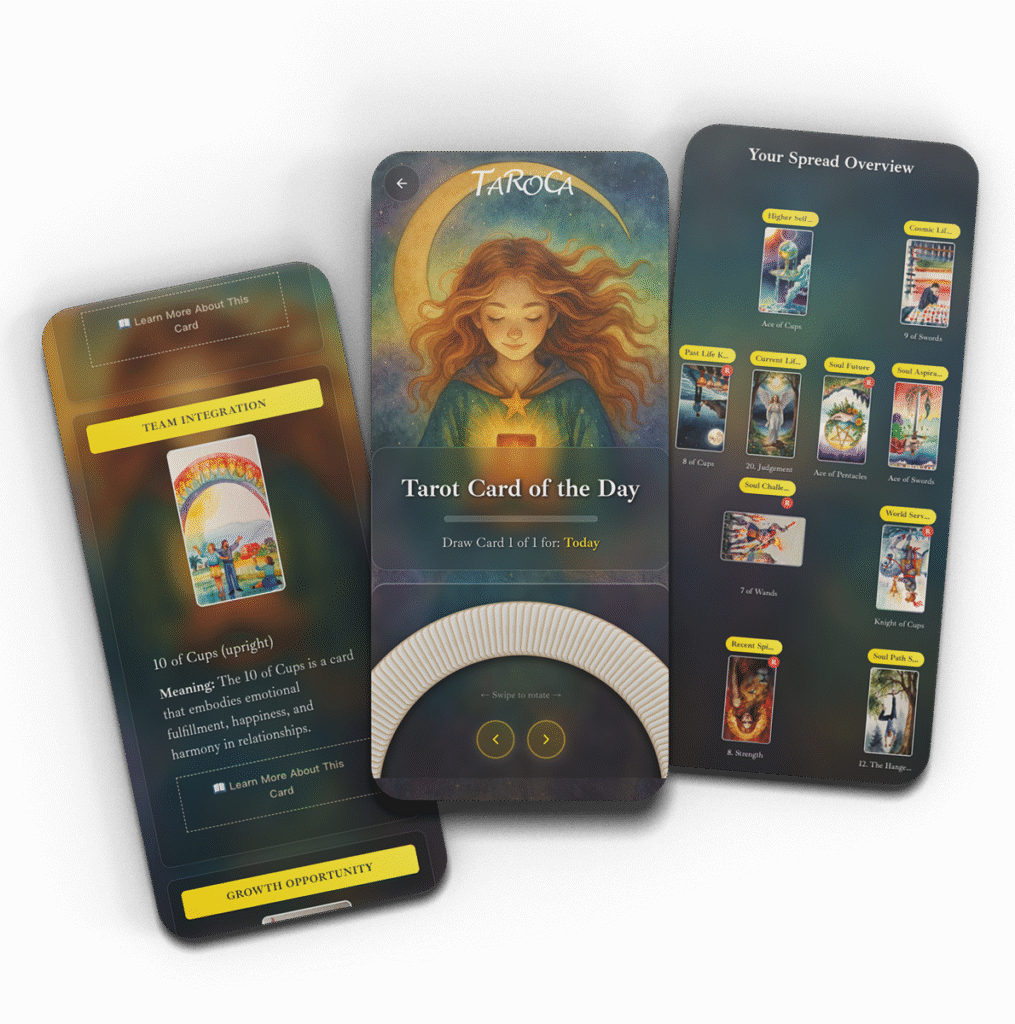
Reflecting on the Death card reversed in career and finance reveals a powerful journey of internal recalibration. Are you ready to confront what needs to end to truly begin anew? Discover deeper insights into your path. Try our personalized Tarot Spreads today at TarotReadingCard.online.