
Stepping into the world of tarot, many find themselves at a crossroads, seeking clarity on life’s profound questions. When the Death card appears, it often sparks apprehension, yet it holds a powerful message for transformation and new beginnings. Join me as we unravel the true essence of this pivotal card, especially when seeking a straightforward “yes” or “no” answer, and discover its deeper guidance for your unique life path.
As a tarot reader, few cards evoke such an immediate, visceral reaction as the Death card. I’ve seen clients’ shoulders slump, their eyes widen with apprehension, or even heard a nervous chuckle when this card makes its appearance in a spread. It’s understandable, given our cultural associations with the word “death.” But here’s the truth I always share: the Death card in Tarot is rarely, if ever, about physical demise. Its true message is far more profound, offering a powerful harbinger of transformation, necessary endings, and the inevitable flourishing of new beginnings.
When the Death card appears, it’s not a prediction of doom. Instead, it’s a profound invitation to release what no longer serves you, to shed old skins and embrace the beautiful, sometimes uncomfortable, process of metamorphosis. Think of it less as a brick wall and more like a gateway to something entirely new.
The Real Message of the Death Card
The Death card is a powerful symbol in the Major Arcana, representing deep change rather than a literal ending. It signifies a significant shift, a closing chapter that is essential for growth. Without endings, there can be no true beginnings. This card often comes up when we are clinging to situations, beliefs, or relationships that have run their course, even if we’re not consciously ready to admit it.
The Death card is not about the end of life, but the end of a life phase. It urges you to release, reset, and prepare for profound renewal.
Embracing Necessary Endings
I remember a client, Sarah, who drew the Death card during a reading about her stalled career. She was terrified, believing it meant she was about to be fired. I gently guided her to see it differently. We talked about what aspects of her job felt “dead” to her – the lack of challenge, the stagnant environment, her own dwindling passion. This card was asking her to acknowledge those feelings and consider a deliberate ending, rather than waiting for an external force to impose it. It was about choosing to close a door so a new one could open, freeing herself from a situation that had become stifling.
It’s about recognizing that some chapters must conclude for your story to progress. This might mean:
- Ending a long-term habit that’s holding you back.
- Letting go of a limiting belief about yourself or your capabilities.
- Consciously releasing a relationship that has become unhealthy.
- Transitioning out of a phase of life, like a career or a living situation.
These endings are not always easy, but they are almost always for your highest good.
Making Space for Renewal
Imagine a tree in autumn. Its leaves turn brilliant colors, then fall away, leaving bare branches. This isn’t the death of the tree; it’s a vital part of its life cycle, allowing it to conserve energy and prepare for the vibrancy of spring. The Death card carries this same wisdom. It signifies that by letting go, you create fertile ground for something new and more aligned with your authentic self to emerge. For Sarah, embracing the “death” of her old career path led her to pursue a long-held dream of starting her own creative business – something far more fulfilling than she had ever imagined.
The space created by these endings isn’t emptiness; it’s potential. It’s an opportunity to re-evaluate, to heal, and to plant seeds for a more vibrant future. This is where true transformation begins, allowing you to build something stronger from a cleansed slate.
Transformation, Not Termination
This powerful Major Arcana card isn’t about termination; it’s about personal development and profound change. It’s a reminder that change is the only constant, and resisting it often leads to stagnation and frustration. When you resist the message of the Death card, you’re essentially trying to hold onto something that’s already complete, preventing the natural flow of life. Embracing its energy means acknowledging the end of a cycle with grace and an open heart, trusting that what follows will be a necessary evolution.
This transformation might feel abrupt or even unsettling at first. It often challenges our comfort zones and asks us to step into the unknown. But the Death card always assures us that this change is ultimately for our growth and liberation. It’s about shedding the old to reveal the vibrant, renewed self underneath.
The Death card, therefore, is an empowering invitation to embrace change and trust in the cyclical nature of life. It’s about understanding that letting go makes way for growth, leading to a profound sense of renewal and forward movement. As we navigate these significant shifts, it’s natural to seek clear direction. In our next chapter, we’ll explore how tarot provides guidance that goes beyond simple yes or no answers, helping you interpret the subtle nuances of your path forward when faced with such pivotal moments.
As a seasoned tarot reader, one of the most frequent questions I encounter is the plea for a simple ‘yes’ or ‘no’. “Will I get the job?” “Is this relationship right for me?” “Should I take that trip?” It’s a natural human desire for clear-cut answers, especially when facing life’s big decisions. However, I always gently explain that the tarot, in its profound wisdom, rarely deals in absolutes. It’s not a magic eight-ball, nor is it designed to strip away your free will or the complexities of your journey. Instead, it offers a far more enriching experience: a nuanced truth, a deeper understanding of the energies at play, and guidance that empowers you to make your own informed choices.
Think of it this way: life itself isn’t a series of binary choices. There are countless shades between black and white, and the tarot reflects this intricate tapestry. When we push for a simple ‘yes’ or ‘no’, we often miss the rich context, the potential obstacles, the hidden opportunities, and the personal growth that the cards are truly trying to illuminate. Just as we explored the Death card’s profound message of transformation in the last chapter, understanding the subtle currents of any situation is key to truly embracing its message, rather than fearing a definitive outcome.
Beyond the Binary: Why Tarot Offers More Than ‘Yes’ or ‘No’
The very essence of tarot lies in its symbolism and archetypes, which are inherently multifaceted. Each card, from the Major Arcana to the Minor Arcana, embodies a spectrum of meanings, influences, and potential outcomes. Reducing this rich language to a simple ‘yes’ or ‘no’ diminishes its power and limits your ability to truly engage with the insights it provides. When I read for clients, my goal isn’t to predict a fixed future, but to help them understand the present energies and how their actions can shape what’s to come.
Consider a situation where you might ask, “Should I move?” A ‘yes’ might mean you move and encounter unexpected challenges you weren’t prepared for. A ‘no’ might mean you stay, missing a growth opportunity. Tarot provides the ‘why’ and the ‘how’, offering a roadmap rather than just a destination. It helps uncover your motivations, potential obstacles, and the best path forward for your personal growth.
Framing Your Questions for Deeper Insight
The art of asking the right question is paramount in a tarot reading. Instead of closed-ended questions that beg for a binary answer, I encourage my clients to formulate open-ended questions that invite deeper reflection and guidance. This shift transforms the reading from a predictive tool into a powerful self-discovery process.
- Shift from “Will I…?” to “What do I need to know about…?” This opens the door to understanding influences, challenges, and opportunities.
- Avoid “Should I…?” and opt for “What would be the outcome if I…?” or “What guidance do I need to make the best decision regarding…?” This empowers you to weigh options and take responsibility for your choices.
- Focus on your role: Instead of “Is this person right for me?”, try “What can I do to foster a healthier relationship?” or “What lessons am I meant to learn from this connection?”
This approach allows the cards to reveal the underlying dynamics, your subconscious feelings, and external factors that directly influence your situation. It’s about empowering you with awareness, not dictating your path.
Interpreting Nuanced Guidance in Your Reading
Once you’ve reframed your questions, the next step is to embrace the nuanced answers the cards present. A card that might seem positive on the surface could carry a warning about overconfidence, while a seemingly challenging card might highlight a crucial area for growth. It’s about looking at the spread as a story, with each card contributing to a larger narrative.
“Tarot doesn’t tell you what to do; it shows you who you are and what possibilities lie ahead based on the energy you’re currently cultivating.”
For example, if you ask “What do I need to know about my career path?” and draw The High Priestess, it’s not a ‘yes’ or ‘no’ to a specific job offer. Instead, it suggests that intuition, hidden knowledge, and delving deeper into your subconscious wisdom are crucial. It’s an invitation to listen to your inner voice and trust your instincts rather than seeking external validation.
Embracing the complexities of tarot readings allows for a richer, more meaningful engagement with your journey. Moving forward, we’ll take this understanding of nuanced answers and apply it to a card often misunderstood for its direct implications: the Death card. In our next chapter, we’ll explore how its powerful message of transformation and ending provides a conditional ‘yes’ or ‘no’, intrinsically linked to necessary change and profound new beginnings.
When you sit across from me, seeking a direct ‘yes’ or ‘no’ from the tarot, I understand the desire for clear-cut answers. Life’s crossroads can be daunting, and sometimes, all we crave is a definitive sign. As we explored in the previous chapter on decoding ‘yes/no’ in tarot, the cards rarely offer a simple binary. Instead, they present a deeper, more profound truth, often layered with conditions and nuances. This is especially true when a powerful Major Arcana card like Death appears in a ‘yes/no’ spread.
The Death card, despite its formidable name, is not about literal demise. It’s a herald of transformation, an emphatic call for endings to make way for new beginnings. So, when this card shows up in response to a ‘yes/no’ question, it’s not a simple ‘yes’ or ‘no’ in the way you might expect. It’s a conditional answer, deeply intertwined with the process of letting go and evolving.
The Death Card: A Conditional ‘Yes’ or ‘No’
Imagine holding this card, the skeletal figure riding forth, waving its banner. It doesn’t whisper; it declares. The message is potent: change is not just coming, it’s necessary. Your ‘yes’ or ‘no’ is tied to your willingness to embrace this profound shift.
A ‘Yes’ Through Letting Go
If your question leans towards initiating something new – “Should I take this new job opportunity?” or “Is it a good time to start this creative project?” – the Death card, paradoxically, can signify a resounding ‘yes.’ However, it’s a ‘yes’ with a catch: only if you are prepared to shed what no longer serves you. This might mean leaving behind old habits, stepping out of a comfort zone, or even concluding a previous chapter to fully commit to the new one. It’s an affirmation that this new path holds immense potential, but requires a significant release of the old to truly blossom.
The Death card, when answering a ‘yes/no’ question, often points to a necessary transformation. It’s a profound indicator that for the desired outcome to manifest, an ending must occur, clearing the way for a powerful new beginning.
For instance, I once had a client, Sarah, who asked, “Should I move to a new city for a fresh start?” The Death card appeared. I explained that her ‘yes’ was contingent on her readiness to completely sever ties with the lingering emotional baggage from her past relationships in her current city. She had to *allow* the old to die for the new life to truly begin. When she finally made the move, unburdened, she found the fresh start she desperately sought.
A ‘No’ to Stagnation
Conversely, if your question is about continuing something as it is – “Should I stay in this relationship?” or “Is this business venture going to succeed if I keep doing things the same way?” – the Death card often acts as a powerful ‘no.’ It’s not necessarily a ‘no’ to the core desire, but a ‘no’ to the *current form* or *approach*. The card is signaling that the present situation is unsustainable or has run its course. For true success or happiness to be found, a significant ending or overhaul is required. Clinging to the old ways will lead to stagnation or further decay.
I remember another client, Mark, who was struggling with a long-term, unfulfilling job. He asked, “Should I try to make this job work?” The Death card came up. His ‘no’ wasn’t to having a fulfilling career, but to the idea of trying to resurrect something that was already spiritually dead for him. It was a clear message that the job needed to end for him to find a path that truly ignited his passion.
Embracing the Transformative Message
The Death card, in a ‘yes/no’ context, is an invitation to look honestly at what needs to be released. It urges you to accept that certain cycles must conclude for growth to happen. It’s a powerful statement that closure is essential. This isn’t about fear; it’s about liberation. The card pushes you to ask yourself: “Am I ready to let go? Am I willing to embrace the void so something new and better can emerge?”
Ultimately, the Death card tells you that the answer to your ‘yes/no’ question lies in transformation. It’s rarely a simple one-word answer, but a directive: for your ‘yes’ to manifest, or for your ‘no’ to open new doors, an ending is crucial. As you stand at this precipice of change, remember that every ending is a sacred space from which a new, often more aligned, beginning can spring. This powerful truth lays the groundwork for understanding how to actively participate in your own evolution, which we will delve into further in our next chapter: Embracing Your Personal Metamorphosis.
Many of us instinctively recoil from the Death card, fearing its literal interpretation. But as a seasoned tarot reader, I can tell you that this card is a profound messenger of transformation, not an omen of doom. In our last chapter, we explored how the Death card provides a nuanced ‘yes/no’ answer, always hinting at an inevitable change. Now, let’s go deeper into what that personal metamorphosis actually looks like and how we can embrace it for genuine growth.
I’ve witnessed countless individuals stand at the precipice of such a change, hesitant and afraid. It’s a natural human response to cling to the familiar, even when it no longer serves us. But the Death card invites us to see these endings not as losses, but as crucial turning points, clearing the way for something far more aligned with our true selves. This isn’t about passive acceptance; it’s about actively participating in your own evolution.
Harnessing the Death Card’s Power for Growth
Unveiling Your Inner Resilience
One of the most remarkable gifts the Death card offers is the revelation of your inherent resilience. When old structures crumble, you might feel exposed and vulnerable. Yet, it’s precisely in these moments that we discover strength we never knew we possessed. Think of a tree shedding its leaves in autumn; it doesn’t fear winter, but trusts in its deep roots to endure and eventually flourish again. I remember a client, Sarah, who was devastated when her long-term career path abruptly ended. She saw it as a failure, a death of her professional identity. But as we worked with the Death card, she began to see it as a necessary clearing. This forced pivot unearthed a passion for art she had suppressed for years, leading her to a fulfilling new career that truly ignited her spirit.
The Art of Release and Rebuilding
The Death card is a master teacher in the art of letting go. It prompts us to identify what needs to be released – outdated beliefs, stagnant relationships, limiting habits – so that new foundations can be built. This isn’t always easy; sometimes, what we need to release feels like a part of us. However, holding onto things past their expiration date only prevents new life from emerging. When you consciously choose to release, you create space. This space isn’t empty; it’s pregnant with potential. It’s where you begin to rebuild, brick by brick, a life that is more authentic and vibrant.
Confronting the Fear of the Unknown
Undoubtedly, stepping into the unknown is daunting. The human mind naturally prefers predictability. The Death card, however, challenges this preference, pushing us beyond our comfort zones. This fear often manifests as procrastination, self-sabotage, or even a return to old, unhealthy patterns. Acknowledging this fear is the first step. I often encourage clients to sit with their discomfort, to really feel it, rather than pushing it away. Paradoxically, embracing the fear allows it to lose some of its power, enabling you to step forward with greater courage and clarity. Remember, true growth rarely happens in the familiar.
Balancing Acceptance and Action
Navigating these transformative energies requires a delicate balance between accepting what is ending and proactively shaping what is beginning. You must first accept the inevitability of the ending, allowing yourself to grieve or acknowledge its impact. Then, and only then, can you channel that energy into intentional action. This might mean setting new goals, seeking out new connections, or simply taking a small, brave step in a different direction. It’s about understanding that while some things must die for new life to emerge, you are the gardener of your own soul, tending to the new shoots that will inevitably rise.
The journey of personal metamorphosis guided by the Death card is a powerful one. It demands honesty, courage, and a willingness to embrace change as a constant, fertile force in your life. As you integrate these practical insights, you’re not just surviving endings; you’re learning to thrive in the spaces of new beginnings, preparing yourself for a deeper understanding of how to actively sculpt your path forward, which is precisely what we’ll explore in our next chapter.
After embracing the profound depths of personal metamorphosis, many of us stand at a precipice, wondering: “What now?” The journey doesn’t end with recognizing the need for change; it truly begins when we consciously step into the process of rebuilding. The Death card, when it appears in a reading, is not a harbinger of doom, but an insistent invitation to conscious evolution. It asks us to look inward and ask, “How can I actively shape the rebirth that is emerging?”
Navigating Your Personal Path of Renewal
From my years of guiding individuals through their tarot journeys, I’ve observed that true renewal is an active process, not a passive waiting game. It’s about discerning what elements of your past no longer serve your highest potential and then courageously crafting the blueprint for your future. This chapter will provide you with actionable steps and reflective prompts to navigate your unique path of rebirth with intention and grace.
Identifying What Needs to Be Released for Growth
Just as a garden needs careful weeding before new, vibrant life can flourish, your personal landscape benefits from a conscious clearing. This isn’t about judgment, but about honest assessment. What are you holding onto that feels heavy, draining, or simply *old*?
- Outdated Beliefs: Reflect on beliefs you’ve carried since childhood or early adulthood. Are they still true for you? Do they empower or limit you? For example, a client once realized her deep-seated belief that “success always comes with immense struggle” was preventing her from seeing easier, joyful opportunities.
- Tired Habits: Consider daily routines or reactions that no longer serve your well-being. This could be anything from excessive scrolling to a pattern of self-doubt.
- Stagnant Relationships or Situations: Sometimes, parts of our external life—jobs, friendships, or even physical environments—have simply run their course. They may have taught you valuable lessons, but clinging to them now can hinder your evolution.
Ask yourself: “If I were building my ideal life from scratch today, what would I consciously leave behind?” Be gentle but honest with your answers.
Embracing the Transitional Liminal Space
The space between “what was” and “what will be” is often called the “liminal space.” It can feel uncertain, even disorienting. Many people rush through this phase, desperate to grasp onto the next thing, but this period is crucial for integration and preparation. It’s like the chrysalis phase for a butterfly – a time of internal alchemy where the old structure dissolves and the new is formed.
“True transformation often unfolds not in grand gestures, but in the quiet, often uncomfortable, space of letting go and simply being with the unknown.”
To navigate this with grace, practice:
- Mindful Observation: Rather than resisting the discomfort, observe it. What feelings arise? What thoughts clamor for attention? Acknowledge them without judgment.
- Patience and Self-Compassion: Understand that true change takes time. Be as kind to yourself as you would a dear friend going through a difficult transition.
- Simple Self-Care Rituals: Anchor yourself with routines that bring comfort and stability, whether it’s daily meditation, walks in nature, or creative expression.
Actively Shaping Your Emerging Reality
Rebirth isn’t a passive phenomenon; it’s a creative act. Once you’ve identified what to release and allowed yourself to process the transition, you can begin to consciously sculpt your new path. This is where your highest potential begins to manifest.
- Define Your Vision: What does your renewed life look like? Feel like? Be as specific as possible. Consider values, passions, and aspirations. Think of it as painting a vibrant mental image.
- Take Intentional Small Steps: Grand changes are built from consistent, small actions. Identify one small step you can take today that aligns with your new vision. It might be researching a new skill, journaling about your feelings, or reaching out to a mentor. Many find personal development tarot readings helpful here.
- Seek Inspiration: Surround yourself with people, books, and experiences that inspire your growth. Learn from others who have navigated similar transformations.
This journey of conscious evolution, inspired by the profound Death card meaning, is an ongoing dance between release and renewal. It empowers you to not just survive change, but to truly thrive. As we move forward, we will delve into how to sustain this renewed sense of self and integrate these insights into your daily life for lasting fulfillment.
FAQs
Is the Death card always negative?
No, the Death card is rarely negative. It symbolizes profound transformation, endings that pave the way for new beginnings, and necessary release. It’s about letting go of what no longer serves you to allow for growth and renewal, rather than literal death or misfortune.
How do I ask a yes/no question to get a clearer answer from Tarot?
To get clearer insights from tarot, frame your questions to encourage guidance rather than just a binary answer. Instead of “Will X happen?”, try “What do I need to understand about X to move forward?” or “What actions should I take regarding X?”. This allows the cards to offer more nuanced wisdom.
What if I fear the changes the Death card suggests?
It’s natural to fear change, but the Death card encourages you to confront this fear. It reminds you that resisting necessary endings can lead to stagnation. Instead, view it as an opportunity for personal evolution. Focus on what you will gain, not just what you release, and trust in your capacity for renewal.
How can I apply the Death card’s meaning to my daily life?
You can apply the Death card’s meaning by regularly assessing areas of your life that need release or transformation. This could be outdated beliefs, old habits, or situations that no longer serve your growth. Embrace mini-transformations daily, such as decluttering your space or letting go of resentments, to foster ongoing renewal.
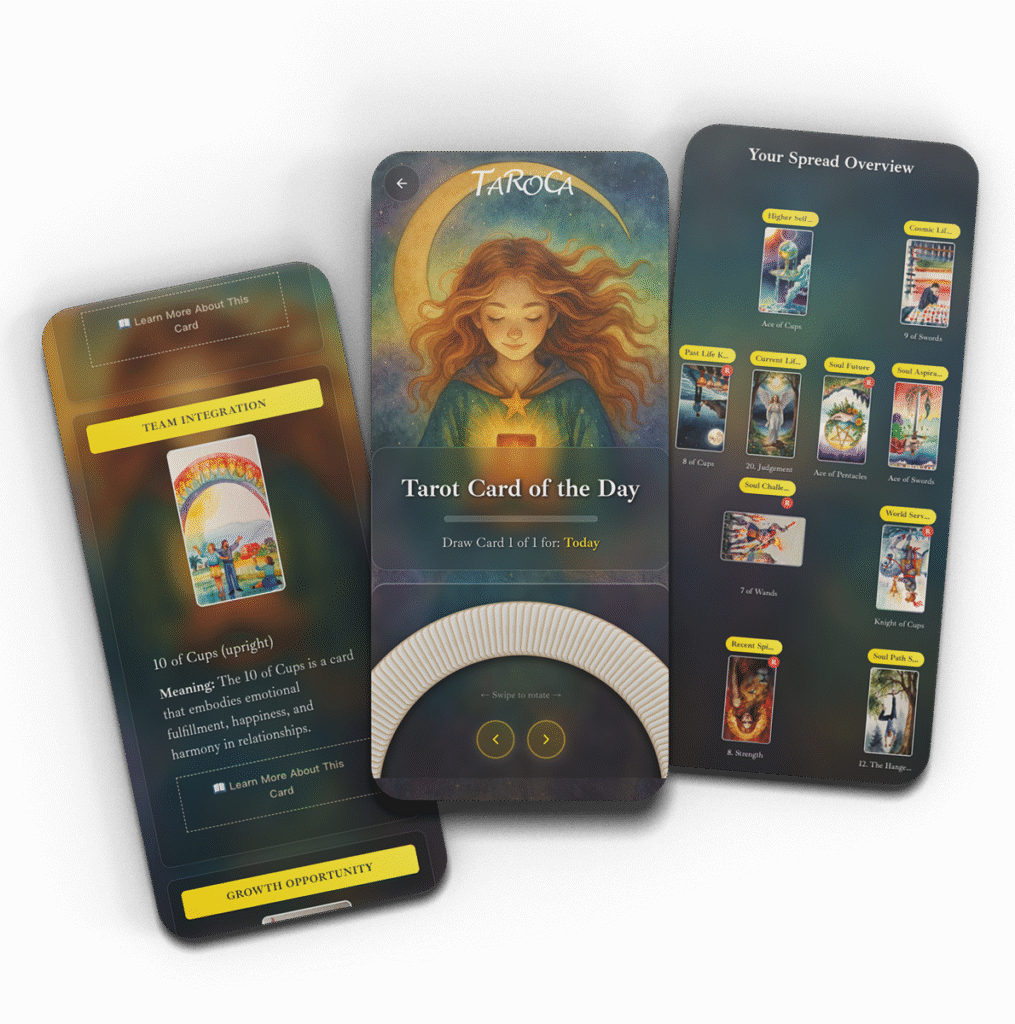
The Death card, far from being ominous, is a profound guide to transformation, reminding us that endings are crucial for new beginnings. It challenges us to embrace change, offering a conditional “yes” or “no” that compels deep introspection. How will you answer its call to transform? Discover more through personalized insights with our Tarot Spreads at app.tarotreadingcard.online.