
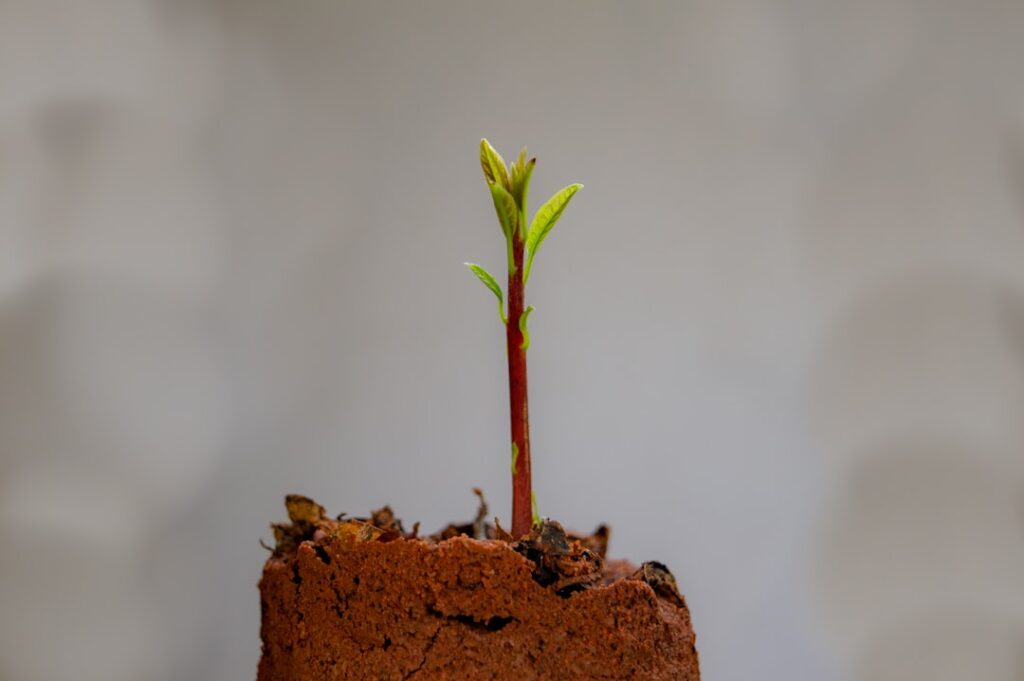

Feeling stuck when growth seems slow or messy is a universal experience. We often expect a clear, upward path, but personal transformation can be a winding road with unexpected detours. This article explores how to navigate these challenging periods, cultivate patience, and find deeper meaning in the journey, even when progress feels painstakingly gradual. Get ready to redefine what “growth” truly means for you.
There’s a unique kind of weariness that settles in when you’re putting in the work, day after day, yet the visible results just aren’t materializing. It’s a feeling I’ve encountered countless times, both in my own life and through the experiences shared by clients in my tarot readings. That persistent hum of effort, the dedication to a goal, only to feel like you’re pushing against an invisible wall – it’s akin to driving a car with the gears grinding, moving forward but with immense resistance and little acceleration. This isn’t just a minor annoyance; it can be profoundly disheartening, leading to self-doubt and a fading enthusiasm for the journey itself.
The Disorienting Nature of Invisible Progress
In our fast-paced world, we’re conditioned to expect immediate feedback and tangible outcomes. We plant a seed and want to see a sprout by tomorrow. But personal growth, just like any profound development, rarely follows such a linear, predictable path. When you’re pouring your energy into a new spiritual practice, a creative project, or healing old wounds, and the external landscape remains stubbornly the same, it’s incredibly difficult to maintain momentum. This sense of stagnation can feel chaotic, creating an internal dissonance between the effort you know you’re expending and the lack of external validation.
When Effort Doesn’t Match Outcome
I remember a client, Sarah, who came to me feeling utterly deflated. She had been diligently working on her self-worth for months, journaling, meditating, setting boundaries, and yet felt she was still attracting the same dismissive patterns in her relationships. “It’s like I’m running on a treadmill,” she told me, “I’m exerting so much energy, but I’m not actually moving anywhere.” Her experience perfectly encapsulates this universal human journey of frustration when the effort we invest seems disproportionate to the outcome. It’s not just about impatience; it’s about the profound human need to see proof that our dedication matters, that our struggles are leading somewhere meaningful.
Navigating the Waves of Self-Doubt
During these periods, the whispers of self-doubt can become a roaring chorus. “Am I doing something wrong?” “Is this even worth it?” “Maybe I’m just not capable.” These thoughts are natural responses to perceived stagnation. When we don’t see the fruit of our labor, it’s easy to assume the problem lies with us or our chosen path. The enthusiasm that once fueled us begins to wane, replaced by a heavy sense of defeat. It’s crucial to acknowledge these feelings, not to wallow in them, but to understand that they are part of the process when growth isn’t showing up in the ways we expect.
The Shared Human Journey of Perceived Stagnation
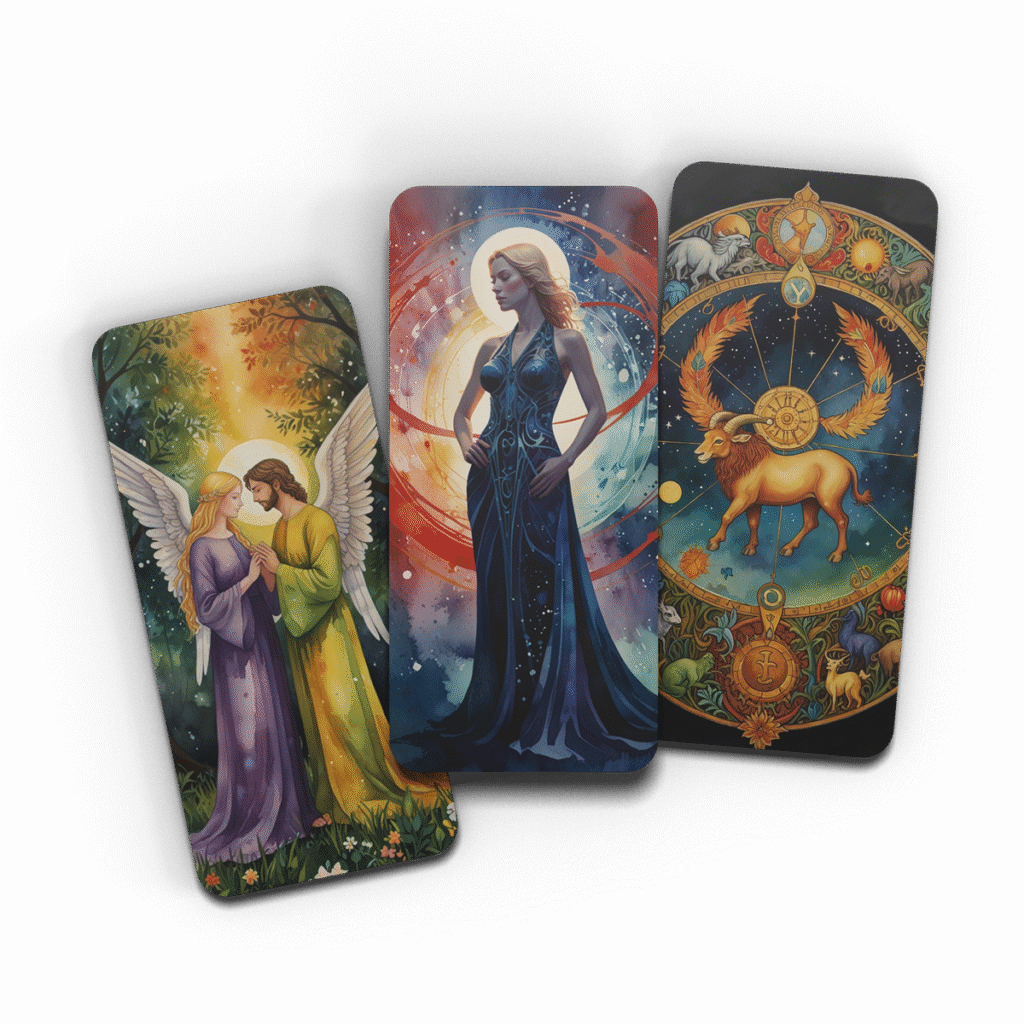
Tarot often mirrors these phases of life. Cards like The Hanged Man, while ultimately about new perspectives, can initially feel like suspension and waiting. The Four of Swords speaks to necessary rest and introspection, which can feel like a pause, not progress. What these cards and countless readings have shown me is that this feeling of “grinding gears” is not a personal failing; it’s a shared human experience. Everyone, at some point, encounters these periods where the internal work is immense, but the external shifts are negligible or even non-existent. It’s in these moments that many people consider giving up, questioning the entire endeavor.
If you’re interested in exploring how tarot can illuminate these hidden processes of change, you might find valuable insights in our article on Celtic Cross Tarot Spread Meaning, which delves into periods of suspension and revelation.
It’s tempting to interpret these moments of perceived standstill as failure, to give in to the frustration and abandon our efforts. But what if this “grinding” isn’t a sign of failure at all, but a crucial stage of deeper development? What if the most profound transformations are happening beneath the surface, unseen and unacknowledged by our immediate desires for visible progress? This is precisely where we need to shift our perspective, recognizing that true growth often happens in unseen layers, like roots deepening before a plant ever blooms.
The Celtic Cross Tarot Spread Meaning particularly insightful, as it delves into the layers of influences, both seen and unseen, that shape our current reality and future path. Remember, every master gardener knows that the most vibrant blossoms come from the richest soil. Trust the hidden work that’s happening within you right now. As we move forward, we’ll explore how to actively nurture this inner garden, preparing it for the bloom that is surely coming, even if you can’t quite see it yet.
In our last conversation, we explored the profound truth that much of our most significant growth happens in the unseen, beneath the surface, much like a seed transforming underground before it sprouts. It’s a beautiful concept, yet I know, from both personal experience and countless readings, that truly living this truth can feel incredibly challenging. When we’re in those periods of unseen development, the world often demands visible progress, and our own inner voice can become impatient. This is where the magic of patience, conscious presence, and nurturing ourselves becomes not just a nice idea, but an essential practice for navigating these transformative times.
Cultivating Inner Stillness: A Path to Patience
The journey of waiting, of allowing processes to unfold, often feels like a battle against our own innate desire for control and immediate gratification. But what if we could shift that battle into a dance? What if we could find a quiet strength within ourselves that embraces the unfolding, rather than resisting it? This isn’t about passive waiting; it’s about active inner work – a profound cultivation of stillness that transforms impatience into a deep, resilient acceptance.
Embracing Mindfulness in the Now
One of the most powerful tools we have for cultivating patience is mindfulness. It’s about consciously bringing your attention to the present moment, without judgment. When we find ourselves anxious about the future, or regretting the past, we lose touch with the only moment we truly have: right now. I’ve found that even five minutes a day, simply observing my breath or the sensations in my body, can dramatically shift my perspective. It’s not about emptying your mind, but noticing what’s there with kindness. This practice helps to anchor us when the winds of uncertainty blow strong, reminding us that even in the midst of waiting, there is always a “now” to inhabit fully.
The Gentle Art of Self-Compassion
When impatience flares, it often comes hand-in-hand with self-criticism. We might judge ourselves for not being “further along,” for feeling stuck, or for not having all the answers. But remember, growth isn’t linear, and sometimes the unseen work is the hardest. This is precisely when self-compassion becomes your most vital ally. Treat yourself with the same kindness and understanding you would offer a dear friend. Ask yourself: “What do I need in this moment to feel supported and loved?” Sometimes it’s a quiet cup of tea, other times it’s simply acknowledging the difficulty without trying to fix it immediately. This gentle approach softens the internal struggle and creates space for resilience to grow organically.
Daily Rituals for Grounding and Nurturing
To truly integrate patience and presence into our lives, we need actionable practices. Daily rituals, no matter how small, can create powerful anchors. This could be a morning meditation, a gratitude journal, or a conscious walk in nature. For many, a daily tarot practice can be incredibly grounding. Drawing a single card each morning, not for prediction, but for a theme to reflect on throughout the day, can bring a profound sense of presence and self-awareness. It’s a beautiful way to acknowledge the unseen energies at play and nurture your inner landscape. For insights on how to incorporate this, you might explore resources on a daily tarot spread.
These rituals aren’t about adding another task to your day; they are about carving out sacred moments to connect with yourself, to acknowledge the ongoing process of your own unique transformation. They help us remember that true success isn’t always about speed or outward achievement, but about the depth of our inner journey.
As we learn to sit with ourselves, to offer kindness, and to anchor in the present, we begin to trust the unseen forces at work more profoundly. This inner nurturing builds a foundation that not only sustains us through periods of waiting but also prepares us to receive the wisdom and insights that are ready to emerge. And it is this very readiness that often invites the next stage of our journey, where ancient wisdom tools like the Tarot can offer specific guidance, illuminating the deeper purpose of these quiet, fertile moments.
Ace of Pentacles or the Eight of Pentacles, speak of new beginnings and diligent craftsmanship. They show us that even when things feel stagnant, we are often laying crucial groundwork, refining our skills, or planting seeds that will eventually bear fruit. These cards reframe the “waiting” as a period of dedicated cultivation, a reminder that sustainable growth requires consistent, often unseen, effort.
A Tarot reading isn’t about predicting the exact moment your desires will manifest, but rather about illuminating the journey itself. It helps us reframe impatience not as a personal failing, but as a signal to look deeper, to understand the gifts hidden within the delay. It’s an opportunity to pause, reflect, and align with the greater flow of life, rather than fighting against it.
As we continue our exploration of patience and progress, remember that Tarot is always there, a trusted companion ready to offer its ancient wisdom. In the next chapter, we’ll delve into some frequently asked questions that arise when we navigate these challenging phases, addressing common concerns about discerning true growth from stagnation and managing external pressures. Until then, allow the whispers of the cards to bring a renewed sense of purpose to your own wilderness of waiting.
After our last conversation about Tarot’s gentle guidance through times of waiting, many of you might be left with some deeper questions. It’s natural to feel a mix of hope and uncertainty when navigating periods of slow growth. You might be wondering, “Am I truly progressing, or just standing still?” “How can Tarot help me with the ‘messy’ bits of transformation?” These are vital inquiries, and they speak to the very heart of the human experience. As your trusted guide, I want to address these common concerns and offer further insights from the cards.
Navigating the Nuances of Slow Progress with Tarot
It’s easy to look around and feel like everyone else is speeding ahead while you’re caught in a slow crawl. But remember, growth isn’t always a visible, linear path. Sometimes, the most profound changes happen beneath the surface, like roots deepening before a tree shoots upwards. Let’s delve into some of your burning questions.
How can I tell if I’m truly experiencing slow growth or just stuck in stagnation?
This is perhaps the most frequent question I hear, and it’s a crucial one. The line between patience and passive waiting can feel blurry. True growth, even when slow, often leaves subtle clues. You might notice shifts in your perspective, a newfound sense of inner calm, or a growing clarity about your desires. Stagnation, on the other hand, often comes with a persistent feeling of being drained, uninspired, or repeatedly bumping against the same old challenges without any fresh understanding. When you draw cards like the Eight of Pentacles, it often speaks of diligent, quiet work that builds mastery. If you see cards like the Four of Swords, it’s about rest and introspection, a necessary pause before action. But if cards like the reversed Eight of Swords or even the Tower keep appearing without a sense of release or impending breakthrough, it might be time to ask if you’re holding yourself captive in a situation that no longer serves your highest good.
Can Tarot give specific guidance on *how* to cultivate patience or *when* things will change?
While Tarot can illuminate the *nature* of your waiting period and the *lessons* it holds, it rarely offers a precise calendar date. The cards speak in archetypes and energies, not fixed timelines. However, Tarot is an incredible tool for understanding *how* to cultivate patience. For instance, if you pull Temperance, it’s a clear call to find balance, blend seemingly opposing forces within yourself, and trust the divine timing. If you see The Hermit, the message is to withdraw, reflect, and seek your inner wisdom – a profound act of patience. It’s about aligning with the energy of the waiting, rather than fighting against it. A reading can help you identify specific practices, mindsets, or internal adjustments that will make the waiting period more fruitful and less frustrating. You can explore different layouts to gain these insights, perhaps even trying some common tarot spreads designed to reveal underlying dynamics.
What if my “messy” phase feels endless and chaotic, rather than slow but purposeful?
Ah, the “messy” phase! Many of us have been there. It’s easy to mistake chaos for stagnation. However, sometimes the universe needs to shake things up to clear space for new beginnings. Cards like the Tower (as mentioned earlier) or the reversed Wheel of Fortune can signify a period where things feel out of control, demanding a surrender to the process. Even the Ten of Swords, while often depicting a dramatic ending, also holds the promise of a fresh start after everything has been laid bare. If you’re experiencing a messy phase, Tarot can help you identify the underlying currents: Are you resisting necessary change? Are old patterns being dismantled? Is this a purification before renewal? The key is to look for the *purpose* within the chaos, to find the thread of transformation, even if it feels tangled.
How do I cope with external pressures and expectations when my internal development is slow and not visible to others?
This is a truly challenging aspect of slow growth. In a world that often values outward achievement and immediate results, cultivating internal wisdom can feel isolating. The Tarot often brings cards like the Nine of Pentacles in such contexts – a card of self-sufficiency and enjoying the fruits of one’s own labor, regardless of external validation. The Hermit, again, reminds us of the importance of an inner journey, often undertaken alone. A spread focused on navigating social expectations might reveal insights into setting boundaries, trusting your path, or finding support systems that understand your unique journey. Remember, your growth is for you, and its value isn’t diminished by its invisibility to others. Honour your process, protect your energy, and trust that your inner work is creating a strong foundation for future, visible manifestations.
Understanding that patience isn’t passive, but an active engagement with your inner landscape, transforms the entire experience. Tarot offers that mirror, reflecting back not just where you are, but the profound potential within your current moment. As we move forward, we’ll explore how to further cultivate this trust in your own unfolding path, even when the destination feels distant.
FAQs
How can I tell if I’m truly growing or just procrastinating?
Genuine growth, even when slow, often involves consistent effort and self-reflection. Procrastination, on the other hand, typically lacks sustained engagement and often comes with feelings of guilt. Look for small, internal shifts or new insights as signs of progress, even if outward results aren’t immediate.
Are there specific Tarot spreads to help me cultivate patience?
Yes, spreads focusing on “The Path Ahead,” “Understanding Obstacles,” or “Inner Wisdom” can be highly beneficial. Cards like Temperance, The Hermit, or The Hanged Man frequently appear, offering insights into timing, introspection, and trust in the process.
What if my “messy” phase feels endless and I’m losing hope?
It’s crucial to acknowledge these feelings without judgment. Remember, transformation often feels chaotic before clarity emerges. Seek support, whether through journaling, talking to a trusted friend, or consulting Tarot for perspective on the underlying purpose of this prolonged phase.
How can I manage external pressures when my internal growth is slow?
Communicate your boundaries and focus on what’s within your control. External expectations can amplify internal impatience. Remind yourself that your internal pace is valid, and perhaps use Tarot to gain clarity on navigating these external demands while honoring your personal journey.
Can Tarot readings tell me exactly when my growth will pick up speed?
Tarot rarely provides exact timelines, as personal growth is fluid. Instead, it offers guidance on *what* to focus on, *how* to best navigate your current situation, and *why* certain delays might be occurring. It encourages alignment with your soul’s timing, rather than a fixed schedule.
Reflecting on these insights, it becomes clear that patience isn’t passive waiting, but active trust in our journey. How might embracing the messy middle transform your path? Step into a deeper understanding of your growth. Explore your journey with personalized Tarot spreads designed for patience and clarity at TarotReadingCard.Online.