We all seek clarity, especially when faced with life’s big questions. But what if the answer isn’t a simple ‘yes’ or ‘no,’ but a profound invitation to pause and look deeper? Join me as we explore The Hanged Man in a ‘yes/no’ tarot reading, uncovering its transformative message for your path.
As a seasoned tarot reader, few cards captivate the imagination and challenge our usual ways of thinking quite like The Hanged Man. When this enigmatic figure appears in a reading, it’s rarely about straightforward answers. Instead, it’s a profound invitation from the universe to pause, reflect, and most importantly, to "see" with new eyes. I’ve witnessed countless clients, often feeling stuck or frustrated, find incredible clarity by embracing this card’s wisdom.
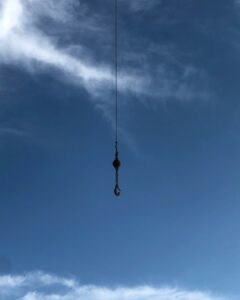
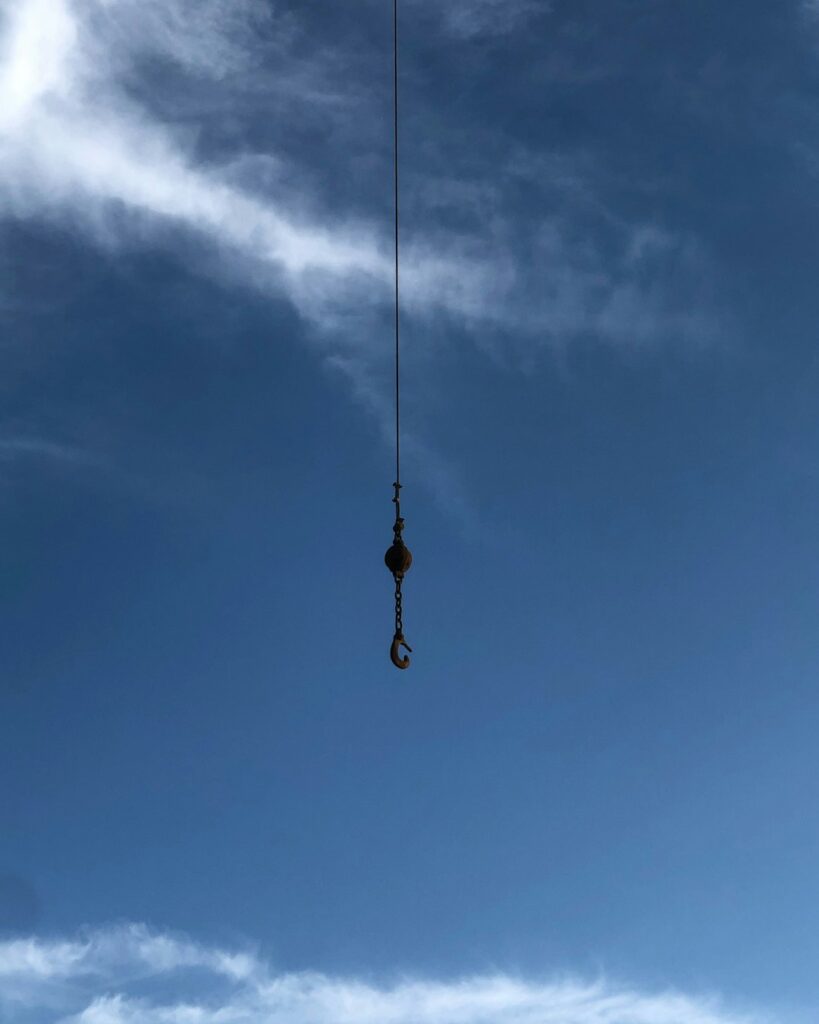
The image itself is striking: a person suspended upside down by one foot, yet often with an aura of calm, even serenity. This isn’t a portrayal of punishment or distress, but rather a deliberate act of voluntary surrender. It signifies a moment where traditional paths are inverted, forcing a shift in perspective that can unlock deeper understanding and spiritual enlightenment. It’s distinct from simple stagnation; this pause is active, intentional, and rich with potential for inner growth.
The Profound Pause: Unpacking The Hanged Man’s Message
For many, the idea of ‘suspension’ or ‘sacrifice’ sounds daunting. But The Hanged Man teaches us that these concepts are often gateways to liberation. Think of it not as giving something up in loss, but as releasing what no longer serves your truest vision. This card asks us to step out of the current of life for a moment, to look at our circumstances from an entirely different angle, and to find the wisdom that only quiet introspection can provide.
Voluntary Surrender, Not Passive Waiting
One of the most common misunderstandings of The Hanged Man is to confuse it with forced inaction or helplessness. On the contrary, this is a card of voluntary surrender. The figure is tied by their own choice, suggesting a conscious decision to halt progress, to suspend judgment, and to allow things to unfold without interference. I remember a client, Sarah, who pulled The Hanged Man repeatedly when agonizing over a career decision. She felt pressured to make a move, any move, but the cards insisted she wait. It wasn’t until she consciously decided to pause, to stop forcing an outcome, that she saw a new, unexpected opportunity appear, far better than any she had considered.
A New Vantage Point on Your Path
Hanging upside down completely changes your view of the world. What was once right-side up is now inverted, and what was hidden might suddenly become clear. This powerful symbolism highlights the need for new perspectives. Sometimes, when we feel trapped or confused, the solution isn’t to push harder in the same direction, but to completely change how we look at the problem. It asks us to challenge our assumptions, to see the world from a different angle, and to understand that our limitations are often self-imposed mental constructs.
The wisdom offered by The Hanged Man isn’t found in action, but in the profound clarity that emerges when we dare to stop and simply ‘be’.
The Sacrifice for Deeper Insight
The Hanged Man often involves a form of sacrifice, but it’s not a punitive one. It’s the sacrifice of immediate gratification for long-term insight, of old beliefs for new truths, or of superficial understanding for profound wisdom. This might mean letting go of control, releasing a stubborn viewpoint, or accepting a temporary setback for a greater spiritual gain. It’s about understanding that true progress often requires a period of letting go, allowing space for transformation.
Embracing the profound wisdom of The Hanged Man means trusting the pause, allowing for introspection, and being open to the new perspectives that emerge when you willingly suspend your usual approach. It’s about recognizing that sometimes, the most direct path to clarity is not through forceful action, but through conscious inaction and a willingness to see things from a different angle entirely. This deep, often paradoxical, wisdom is precisely why tarot often offers far more than simple “yes” or “no” answers, leading us instead towards a richer, more nuanced understanding of our journey. This journey into nuance is exactly what we’ll explore in our next chapter.
Many of us, when first turning to tarot, seek the comfort of a simple ‘yes’ or ‘no’ answer. It’s natural to crave certainty, especially when faced with life’s big decisions or nagging doubts. *Will I get the job? Does he love me? Should I move?* These are common questions, and while tarot *can* provide clarity, its wisdom often operates far beyond a simple binary.
Tarot isn’t a magic 8-ball designed to spit out definitive affirmations or denials. As a seasoned reader, I’ve learned that its true power lies in offering a spectrum of possibilities, nuanced insights, and energies that invite deeper introspection. The cards don’t just tell you *what* will happen; they reveal *why* it might happen, *what* forces are at play, and *how* you can navigate the path forward. They encourage you to engage with your intuition and make informed choices, rather than passively receiving a decree.
Unlocking Tarot’s Deeper Insights for Complex Questions
When we consult the tarot, we’re tapping into a rich tapestry of archetypal energies and universal truths. Reducing this to a mere ‘yes’ or ‘no’ can be like asking a profound philosopher to answer complex life dilemmas with only two words. It misses the richness, the guidance, and the transformative potential that the cards hold.
The Spectrum of Tarot’s Guidance
Imagine life not as a series of simple forks in the road, but as a vast, winding river. A ‘yes’ or ‘no’ answer is like trying to cross that river with a single, rigid step. Tarot, instead, offers you a boat, paddles, and a map, showing you the currents, potential rapids, and the most scenic routes. It’s about understanding the energy surrounding your question. For instance, a card might not scream “YES!” but rather whisper, “Yes, but with patience and careful planning,” or “Yes, if you’re willing to release old patterns.” This depth is where the real guidance lies, empowering you to shape your future with awareness. For those looking to explore how to frame questions for more comprehensive answers, understanding different tarot spreads for specific questions can be incredibly insightful.
Consider a time when a simple ‘yes’ or ‘no’ would have been insufficient for a critical life choice. Perhaps it was a career change that required more than just an “approve” or “deny” from the universe, but rather an exploration of your readiness, the sacrifices involved, and the true motivations behind the change. Tarot excels in these grey areas, providing a flashlight rather than just a traffic light.
When Cards Demand Deeper Inquiry
Some cards inherently suggest a more complex response than a straightforward ‘yes’ or ‘no’. They are the universe’s gentle nudges, asking us to pause and consider the bigger picture. When these cards appear, they’re not denying your desire for a simple answer, but rather inviting you into a richer conversation with your own inner wisdom.
Think of cards that speak to introspection, sacrifice, or major transformation. They don’t fit neatly into a “do it” or “don’t do it” box. Instead, they imply:
- A need for a new perspective: Your current view might be too narrow.
- A call for patience: The timing isn’t right for an immediate decision.
- An invitation to surrender: You might need to let go of control or a preconceived outcome.
- A deeper lesson to be learned: The ‘answer’ is less about the outcome and more about your growth.
“Tarot’s truest gift is not predicting a definitive future, but illuminating the path to your most empowered present.”
This is especially true for cards like The Hanged Man, which we explored in the previous chapter. Its very essence is about suspension and seeing things from an entirely new angle. When this card shows up, it’s a profound invitation to halt, reconsider, and view your situation from an inverted, often revelatory, standpoint. It’s rarely a direct affirmation or denial, but a directive to embrace a liminal space of profound re-evaluation.
As we move forward, we’ll delve specifically into how The Hanged Man, with its powerful message of voluntary surrender and enlightened perspective, delivers an answer that transcends a simple binary. It’s a reminder that sometimes, the most profound answers aren’t “yes” or “no,” but a gentle directive to pause, reflect, and discover a path far more aligned with your highest good.
Many of us come to the tarot seeking clarity, often hoping for a straightforward “yes” or “no” to our pressing questions. We want definitive answers, a clear path forward. But what happens when a card like The Hanged Man appears in a yes/no reading? It’s a moment that can initially feel frustrating, even confusing, because this card rarely offers a simple binary response. From my years of experience, I’ve learned to see its appearance not as a denial of an answer, but as a profound redirection, an urgent call to pause and look deeper.
The Hanged Man’s Profound Pause
When The Hanged Man steps forward in a reading, especially for a yes/no question, it’s tarot’s way of saying, “Hold on. Not yet.” It’s an invitation to suspend judgment, to hit the spiritual brakes, and to understand that immediate action based on your current perspective might actually be detrimental. This isn’t about stalling or being stuck; it’s about strategic retreat and careful consideration.
The Hanged Man asks us to release our need for instant gratification and embrace the wisdom found in waiting. His “answer” is a compelling imperative to reconsider everything.
Suspending Judgment and Shifting Perspective
Think about the image of The Hanged Man: suspended upside down, a serene expression on his face. He’s seeing the world from an entirely different angle. This isn’t a position of punishment; it’s one of enlightenment through sacrifice—the sacrifice of conventional thinking. In a yes/no context, this means the answer you’re seeking isn’t accessible from your current viewpoint. You need to flip your perspective, to literally see the situation from a new angle.
- Are you looking at this challenge only through the lens of fear or desire?
- Have you considered all the unspoken motivations, both yours and others’?
- What if the “problem” itself is actually an opportunity in disguise?
This card urges us to ask ourselves these kinds of questions, pushing us beyond the superficial. It’s about taking a step back from the emotional intensity of the moment and allowing a calmer, more objective truth to emerge.
Re-evaluating the Current Path
Sometimes, The Hanged Man appears because the path you’re on, or the question you’re asking, simply isn’t the right one for you right now. It suggests that if you were to proceed with a “yes” or “no” based on your current understanding, you’d likely miss a crucial piece of information or overlook a better alternative. I recall a client who asked if they should take a specific job offer. The Hanged Man appeared, and instead of taking the offer, they paused, researched other opportunities, and found a role perfectly aligned with their long-term vision, which they wouldn’t have even considered otherwise. The initial “no” was really a “wait, there’s something better.”
Reframing Your Question to the Universe
Perhaps the most potent message of The Hanged Man in a yes/no spread is the call to reframe the question itself. If your question is too narrow, too rigid, or based on incomplete information, the universe, through this card, gently pushes you to expand your inquiry. Instead of “Should I do X?”, try “What would I gain or lose by doing X, and what alternative paths exist?” or “What perspective am I missing regarding X?”. It’s about understanding that the true answer often lies beyond the simplistic binary. The wisdom here isn’t about getting a definitive answer, but about seeking a more profound understanding.
Embracing The Hanged Man’s message is an act of trust in the universe’s timing and a commitment to your deeper self-awareness. This suspension of action isn’t passive; it’s an active process of inner work, leading to a much clearer and more authentic direction. In the next chapter, we’ll explore the unique strengths and challenges that arise when we choose to navigate this powerful pause, and how to truly transform it into a period of profound personal growth.
After exploring how The Hanged Man calls us to a profound suspension of action, you might be asking: “What does this pause actually feel like, and how do I navigate it without feeling lost?” It’s a valid question, as embracing this card’s wisdom comes with its own unique set of strengths and potential challenges. From my experience reading tarot, I’ve seen clients grapple with both the liberation and the frustration that such a deep pause can bring.
Embracing the Wisdom of Suspension: Your Greatest Assets
When you truly lean into The Hanged Man’s invitation, you unlock powerful internal resources. It’s not about being stagnant; it’s about shifting your internal gears from relentless doing to conscious being. This is where your greatest strengths emerge.
Patience: The Unsung Superpower
In our fast-paced world, patience often feels like a weakness, a delay, or a missed opportunity. But The Hanged Man reveals it as a profound strength. When you allow yourself to wait, to observe without judgment, you create space for clarity to bloom naturally. I remember a client, Sarah, who was desperate for a ‘yes’ or ‘no’ on a job offer. The Hanged Man appeared, urging a pause. Initially, she was frustrated. But by committing to a week of patient reflection, she uncovered crucial details about the company culture she hadn’t considered, leading her to negotiate a far better package or, if necessary, decline with confidence. It’s about letting the universe align rather than forcing pieces into place.
Introspection: Diving Deep for Hidden Truths
This period of suspension is a golden opportunity for deep personal introspection. When you’re not constantly moving, you can finally hear the whispers of your intuition, the subtle nudges of your soul. This inner dive helps you:
- Uncover motivations: Are you truly pursuing this path because it aligns with your highest good, or out of fear, expectation, or external pressure?
- Process emotions: The pause allows emotions to surface and be acknowledged, rather than suppressed by constant activity.
- Gain self-awareness: You learn about your own patterns, your triggers, and your genuine desires, free from the urgency of immediate action.
A New Perspective: Seeing Beyond the Obvious
The Hanged Man’s image—hanging upside down—is the ultimate metaphor for a new perspective. What looks like a predicament is, in fact, an enlightened stance. This shift in viewpoint allows you to:
- Reframe problems: What seemed like an insurmountable obstacle might appear as a stepping stone from a different angle.
- Discover alternative solutions: The answers often aren’t on the path you’re currently facing; they emerge when you turn your world upside down.
- Challenge assumptions: We often operate on old beliefs. The pause gives you a chance to examine and discard what no longer serves you.
The Pitfalls: When the Pause Becomes a Trap
Of course, not everyone embraces The Hanged Man’s message with grace. If its wisdom is ignored or resisted, the pause can morph into significant challenges:
- Impatience and Frustration: The most common pitfall is the inability to wait. This leads to impulsive decisions, forced actions, and a deep sense of irritation. You might feel a constant urge to “do something,” even if that something isn’t well-considered.
- Resistance to Change: The Hanged Man demands a surrender to a new way of seeing. If you cling tightly to old patterns or refuse to consider alternative viewpoints, the suspension feels like being trapped rather than enlightened.
- Feeling “Stuck”: Without the conscious intent of introspection and reframing, the pause can indeed feel like being unable to act, leading to stagnation, despair, and a sense of powerlessness. This is the shadow side of The Hanged Man – the feeling of being a victim of circumstance.
The true power of The Hanged Man isn’t just in the pause itself, but in how consciously and willingly you engage with it. It’s about transforming a seemingly helpless situation into a strategic advantage for profound growth and clarity.
The Hanged Man asks you to be courageous enough to stop, look inward, and allow your reality to shift. This isn’t always comfortable, but it is always transformational. As we move forward, we’ll explore how to skillfully balance this deep inner work with the outer actions that manifest your newly found insights, ensuring that your pause leads to empowered progress.
After a period of profound introspection, guided by the wisdom of The Hanged Man, we arrive at a pivotal point: the delicate dance between taking decisive action and gracefully accepting what lies beyond our control. I’ve seen countless individuals struggle with this balance, myself included. It’s easy to get lost in the pause, or conversely, to rush forward without truly internalizing the lessons learned. But the true mastery of life, especially with the insights from the Tarot, lies in knowing when to step in and when to let go.
Embracing the Flow: When to Act, When to Yield
In the previous chapter, we explored the transformative power of The Hanged Man’s pause—the strengths it offers and the challenges it presents. Now, the question becomes: how do we transition from that suspended state into a proactive, yet adaptable, way of living? It’s not about abandoning the perspective gained; it’s about integrating it into a dynamic approach to our path.
Discerning the Right Moment for Action
Knowing when the time for action has arrived after a period of suspension is a skill honed through practice and deep self-awareness. It’s rarely a sudden, dramatic declaration. Instead, it often feels like a subtle shift, a quiet knowing. I once had a client, Sarah, who was agonizing over a career change. The Hanged Man appeared in her reading, urging her to pause. For months, she observed, learned new skills, and reframed her understanding of success. Then, one morning, she simply woke up with a clear, calm conviction that it was time to update her resume. There was no fanfare, just an internal readiness that felt undeniable.
- Internal Resonance: Does your intuition hum with a sense of “now”?
- New Perspective Integrated: Have the insights gained during the pause become a part of your core understanding?
- Preparedness: Do you feel adequately equipped, not necessarily perfectly, but sufficiently, to move forward?
- Energy Shift: The feeling of being ‘stuck’ lifts, replaced by a gentle surge of motivation.
The Grace of Acceptance: What Cannot Be Changed
Just as crucial as knowing when to act is understanding when to simply accept. Acceptance isn’t resignation; it’s a powerful act of surrender that frees up immense energy. Imagine trying to push a boulder uphill that simply won’t move. You expend all your strength, become exhausted, and the boulder remains. Acceptance, in this context, is realizing the boulder isn’t meant to be moved by you, or perhaps not at all. It’s about conserving your energy for paths that are open. This might involve accepting a past mistake, a decision made by another, or an external circumstance that is truly beyond your influence. This graceful acceptance allows us to pivot, to redirect our efforts where they can genuinely make a difference. It’s a profound wisdom gleaned from The Hanged Man’s willingness to hang, observing without struggling against his bonds.
True acceptance is not giving up; it is giving space for what is, thereby creating room for new possibilities.
Proactive Planning Meets Receptive Adaptation
The sweet spot, the equilibrium we seek, is where proactive planning shakes hands with receptive adaptation. We set intentions, we create strategies, and we make plans with an open heart and mind, knowing that life, much like a river, will present its own currents and obstacles. This isn’t about rigid adherence to a blueprint; it’s about holding our plans lightly. It means being prepared to adjust, to deviate, to even let go of a particular outcome if a better, more aligned path reveals itself. It’s a dynamic process of setting a course, then constantly checking the compass against the prevailing winds. We act with purpose, but we remain acutely sensitive to feedback from the world around us, allowing for necessary shifts.
Finding this equilibrium allows us to navigate life with both purpose and peace. We become the conscious co-creators of our destiny, blending our deliberate choices with a wise reverence for the flow of existence. This balance doesn’t eliminate challenges, but it transforms how we experience them, making us more resilient and genuinely free. As we move forward, we’ll delve deeper into how this balanced perspective empowers us to make mindful choices and cultivate resilience in the face of life’s constant changes.
FAQs
What if I really need a ‘yes’ or ‘no’ and I get The Hanged Man?
The Hanged Man strongly suggests that a simple ‘yes’ or ‘no’ isn’t beneficial or even possible right now. It’s urging you to pause and reconsider, as the direct answer might be misleading or not serve your highest good.
How long should I ‘pause’ after getting The Hanged Man?
The duration of the ‘pause’ is personal and intuitive. It lasts as long as it takes for you to gain a new perspective, re-evaluate your assumptions, or for external circumstances to shift. Focus on introspection, not a clock.
Does The Hanged Man always mean delay or sacrifice?
While it often implies a period of suspension or a need to let go of something, it’s not necessarily negative. It’s a voluntary act leading to profound insight and spiritual growth. The ‘delay’ is for wisdom, not punishment.
Can The Hanged Man be a positive answer in some contexts?
Absolutely! The Hanged Man can be incredibly positive, signifying a breakthrough in understanding, a profound spiritual awakening, or the wisdom gained from stepping back. It’s positive in its call for enlightened perspective, even if it delays immediate action.
Ultimately, The Hanged Man in a ‘yes/no’ reading calls for inner wisdom, not haste. It’s an invitation to see beyond the obvious. Are you ready to embrace its transformative power? Explore more profound insights with our Tarot Spreads today at Tarot Reading Card Online.